


Email marketing stands as a cornerstone of engaging directly with potential customers, nurturing leads, and building lasting customer loyalty. Despite the proliferation of new marketing channels, email marketing’s effectiveness remains undiminished, offering unmatched directness and personalization opportunities. Drawing insights from a recent TimTalks episode, this blog post aims to distill essential strategies and common mistakes to avoid, ensuring your email marketing campaigns resonate with your target audience and drive desired actions.
Email marketing’s power lies in its ability to deliver personalized messages directly to recipients, fostering a sense of connection and relevance. However, navigating the complexities of successful email marketing campaigns requires more than just sending out emails; it involves crafting compelling subject lines, adhering to legal standards, optimizing for mobile devices, and much more. This post, inspired by the practical insights and real-world examples shared by Travis and Tim, will guide you through mastering these facets to elevate your email marketing strategy.
Whether you’re a small business owner looking to connect with your community or a digital marketing strategist for a large corporation aiming to enhance brand presence, understanding the nuances of email marketing is key to unlocking its full potential. Let’s embark on this journey to explore how to maximize the impact of your email marketing efforts, steering clear of common pitfalls and embracing best practices for success.
Key Takeaways
- Personalization is Paramount: Tailoring your messages to meet the specific needs and interests of your audience can transform your email marketing from a generic broadcast into a meaningful conversation.
- Mobile Optimization is a Must: With the majority of emails now being opened on mobile devices, ensuring your emails are optimized for these users is crucial for engagement and effectiveness.
- Analytics Offer a Path Forward: Utilizing the data from your email campaigns allows you to refine and adjust your strategies, ensuring that your efforts are as effective as they can be.
- Compliance Builds Trust: Adhering to email marketing laws not only keeps you on the right side of regulations but also demonstrates to your audience that you value their privacy and preferences.
The Art of Crafting Compelling Subject Lines
The subject line acts as the gateway to your email content, holding the power to either draw in your audience or push them away. In the world of email marketing, the difference between a opened email and one that’s overlooked often lies in the few words that make up the subject line. Crafting an effective subject line is a delicate balance of creativity, clarity, and relevance, designed to capture attention and spark curiosity without misleading the reader.
Why Subject Lines Matter
Subject lines are the first impression your email makes on the recipient. They play a critical role in determining the open rate of your emails, which directly impacts the overall success of your email marketing campaigns. A well-crafted subject line should:
- Capture Attention: Stand out in a crowded inbox by being eye-catching and engaging.
- Invoke Curiosity: Pique the reader’s interest without giving away too much, encouraging them to open the email for more.
- Be Relevant: Directly relate to the content of your email, ensuring expectations are met upon opening.
Crafting Your Subject Line: A Balancing Act
To navigate the tightrope of subject line creation, here are some strategies to consider:
- Keep It Short and Sweet: With mobile users in mind, aim for subject lines that are concise yet descriptive. Mobile devices often show fewer characters, making brevity crucial.
- Personalize When Possible: Use the recipient’s name or other personal data you have to make the email feel more tailored and less like a mass message.
- Avoid Spam Triggers: Certain words and punctuation marks can increase the chances of your email being sent to the spam folder. Familiarize yourself with these triggers and plan your subject lines accordingly.
Testing for Success
The effectiveness of subject lines can vary greatly depending on your audience and the context of your message. A/B testing, where you send two variations of your subject line to different segments of your email list, can provide valuable insights into what resonates best with your subscribers. This data-driven approach allows you to refine your strategy and improve open rates over time.
In essence, the subject line is your first—and sometimes only—chance to make an impression on your email subscribers. Taking the time to craft a line that is both compelling and reflective of the email’s content can significantly improve the performance of your email marketing campaigns. By understanding your audience, testing different approaches, and avoiding common pitfalls, you can turn your subject lines into powerful tools for engagement.
Navigating Legal Waters: Compliance and Best Practices
In the realm of email marketing, navigating the complex landscape of legal compliance is akin to steering a ship through a maze of regulatory buoys and barriers. Understanding and adhering to these regulations not only ensures your email campaigns are lawful but also builds trust with your audience by respecting their privacy and preferences.
Understanding Email Marketing Laws
At the heart of email marketing compliance are several key regulations, each designed to protect consumers and ensure fair practices by marketers:
- CAN-SPAM Act: A U.S. law that sets rules for commercial email, establishes requirements for commercial messages, gives recipients the right to have emails stopped from being sent to them, and spells out tough penalties for violations.
- Canada’s Anti-Spam Legislation (CASL): Similar to the CAN-SPAM Act but with some stricter requirements on obtaining consent.
- General Data Protection Regulation (GDPR): A regulation in EU law on data protection and privacy in the European Union and the European Economic Area. It also addresses the transfer of personal data outside the EU and EEA areas.
Key Compliance Strategies
To ensure your email marketing efforts are compliant with these and other regulations, consider the following strategies:
- Obtain Explicit Consent: Ensure you have explicit permission from recipients before sending marketing emails. This is particularly crucial under GDPR for audiences in the European Union.
- Provide a Clear Unsubscribe Option: Every email must contain an easy-to-find and simple-to-use unsubscribe link, allowing recipients to opt-out of future communications.
- Avoid Misleading Content: From the subject line to the email body, ensure your content accurately reflects the message you’re sending. Misleading content can not only lead to legal issues but also damage your brand’s reputation.
Building Trust Through Transparency
Beyond legal compliance, adopting transparent and respectful email practices can significantly enhance trust between your brand and its audience. Clearly communicate how subscriber data will be used, store and handle data securely, and honor unsubscribe requests promptly. This level of transparency not only complies with legal standards but also fosters a positive relationship with your subscribers.
Regular Review and Adaptation
Laws and regulations around email marketing continue to evolve, necessitating regular review of your practices and strategies. Stay informed about changes in legislation and be prepared to adapt your email marketing practices accordingly. Utilizing email service providers that emphasize compliance can also help mitigate the risk of inadvertently breaching these laws.
In navigating the legal waters of email marketing, a combination of understanding, respect, and adaptation forms the keel that keeps your strategy afloat. By adhering to these principles, you not only protect your campaigns from legal scrutiny but also cultivate a culture of trust and respect with your email subscribers, setting the stage for successful email marketing campaigns.
Enhancing Deliverability and Avoiding the Spam Folder
Ensuring your emails actually reach your audience’s inbox, rather than vanishing into the abyss of the spam folder, is a critical challenge in email marketing. Deliverability issues can significantly diminish the effectiveness of your campaigns, impacting your ability to engage with and expand your audience.
Understanding Deliverability
Email deliverability refers to the ability of your emails to be successfully delivered to your recipients’ inboxes. Several factors can impact this, including sender reputation, recipient engagement, and the content of your emails. Here’s how you can enhance your email deliverability:
- Maintain a Strong Sender Reputation: ISPs (Internet Service Providers) judge the trustworthiness of an email sender based on their sender reputation. This is influenced by factors like the number of emails sent, bounce rates, complaint rates, and engagement rates. Maintaining a positive sender reputation is crucial for ensuring your emails reach the inbox.
- Engage Your Audience: ISPs also look at how recipients interact with your emails. Regularly engaging your audience with relevant, high-quality content can improve your deliverability. Inactive subscribers who never open or click can harm your reputation, so consider periodic clean-ups of your email list to remove these contacts.
Tactics to Avoid the Spam Folder
- Steer Clear of Spam Triggers: Certain words, phrases, and formatting choices can trigger spam filters, causing your emails to be automatically flagged as spam. Avoid using overly salesy language, excessive use of capital letters, and too many exclamation points. Tools and services that analyze your emails’ spam score before sending can be invaluable in this regard.
- Implement Authentication Protocols: Email authentication protocols like SPF (Sender Policy Framework), DKIM (DomainKeys Identified Mail), and DMARC (Domain-based Message Authentication, Reporting & Conformance) verify that your email is legitimately from you and not a spammer impersonating your domain. Setting these up can significantly improve your deliverability.
- Use a Recognizable From Name and Address: Make it easy for your recipients to recognize and trust your emails by using a consistent “From” name and address. This not only helps with brand recognition but also reduces the likelihood of your emails being marked as spam by recipients.
The Role of Email Service Providers
Choosing the right email service provider (ESP) can make a significant difference in your email marketing efforts. High-quality ESPs offer tools and features designed to improve deliverability, including spam test tools, list cleaning services, and detailed analytics. They also ensure their infrastructure is optimized for high deliverability, which can help your emails bypass spam filters and land in the inbox.
By prioritizing deliverability and strategically avoiding spam triggers, you can ensure your marketing messages reach your intended audience, boosting the effectiveness of your email marketing campaigns. Remember, the goal is not just to avoid the spam folder but to engage and resonate with your audience, turning subscribers into loyal customers.
Engaging Your Target Audience with Personalized Content
In the ever-competitive landscape of email marketing, personalization stands out as a beacon, guiding marketers toward deeper connections and engagement with their target audience. Gone are the days of one-size-fits-all marketing emails. Today’s subscribers expect and appreciate content that speaks directly to their interests, needs, and preferences.
The Power of Personalization
Personalization in email marketing goes beyond addressing a subscriber by their first name. It involves tailoring the content, offers, and timing of your emails based on individual subscriber data and behavior. This strategic approach can significantly increase open rates, click-through rates, and conversion rates by making each recipient feel understood and valued.
- Segment Your List: Start with segmenting your email list into groups based on demographics, purchase history, engagement levels, or other relevant criteria. This allows you to send more targeted and relevant emails, increasing the likelihood of engagement.
- Customize Content: Use the data you have about your subscribers to customize the content of your emails. This might include product recommendations based on past purchases, content tailored to the recipient’s interests, or special offers that align with their behavior.
- Automate for Relevance: Marketing automation tools can help you send the right message at the right time. For example, trigger emails based on specific actions, such as a welcome email after signing up, a birthday discount, or a follow-up email after a purchase.
Benefits of Personalized Email Campaigns
Personalized email campaigns are not just more effective at driving conversions; they also help build long-term relationships with your subscribers. By showing that you understand and cater to your audience’s specific needs and preferences, you foster loyalty and trust. This, in turn, can lead to higher customer retention rates and more positive brand perceptions.
Overcoming Challenges in Personalization
While the benefits are clear, personalization does come with its challenges. Collecting and managing customer data, creating multiple versions of content, and setting up automated triggers require time, resources, and the right technology. However, the return on investment for personalized email marketing often justifies these efforts.
- Privacy and Consent: Always ensure that your data collection and personalization practices comply with privacy laws and respect your subscribers’ preferences. Transparency about how you use their data can enhance trust and compliance.
- Testing and Optimization: Continuously test and refine your personalization tactics. A/B testing different segments, personalized messages, and calls to action can help you understand what works best for your audience.
Engaging your target audience with personalized content transforms your email marketing from mere communication into meaningful conversations. By leveraging data, technology, and a creative approach to personalization, you can turn every email into an opportunity to connect, engage, and convert, moving beyond the inbox to foster genuine relationships with your subscribers.
The Role of Mobile Optimization in Email Marketing
In the digital age where smartphones are ubiquitous, optimizing your email marketing for mobile devices is no longer optional—it’s essential. The majority of emails are now opened on mobile devices, making mobile optimization a critical factor in the success of your email marketing campaigns.
Why Mobile Optimization Matters
- Enhanced User Experience: Mobile-optimized emails provide a better reading experience for recipients, which can lead to higher engagement rates. Emails that aren’t optimized for mobile may have formatting issues, making them difficult to read and interact with.
- Increased Open Rates: Given the convenience of smartphones, many people check their emails on the go. Mobile-optimized emails are more likely to be opened and read than those that aren’t.
- Improved Conversion Rates: A mobile-friendly email design can lead to better conversion rates. If a recipient can easily read and click on a call-to-action in your email from their mobile device, they’re more likely to take the desired action.
Strategies for Mobile Optimization
- Responsive Design: Use responsive email design to ensure your emails automatically adjust to fit the screen they’re being viewed on, whether it’s a desktop, tablet, or smartphone. This includes scalable images and a fluid layout that reconfigures based on screen size.
- Simplify Your Design: Keep your email design simple and uncluttered. Large blocks of text and multiple columns can be overwhelming on a small screen. Instead, use short paragraphs, bullet points, and ample white space to improve readability.
- Consider Your Subject Line and Preheader Text: With limited screen space, the impact of your subject line and preheader text is magnified. Keep your subject lines short and impactful, and use the preheader text to add context or intrigue that encourages opening the email.
- Optimize for Touch: Buttons and links in your email should be easy to tap with a finger. Ensure they’re large enough to be clicked without zooming and spaced apart to prevent accidental taps.
- Test Across Devices: Before sending out an email, test it across various devices and email clients to ensure it looks and functions as intended. This can help you catch and fix issues that could affect readability or user experience.
The Impact of Mobile on Email Marketing
The shift towards mobile has changed the way marketers approach email design and content. It’s not just about making emails look good on a smaller screen, but also about adapting the message and call-to-action to fit the mobile context. This might mean more concise content, prominently placed calls-to-action, and a greater focus on visuals.
In conclusion, mobile optimization is a cornerstone of modern email marketing. By ensuring your emails are mobile-friendly, you not only improve the immediate experience for your recipients but also enhance the overall effectiveness of your email marketing efforts. As mobile usage continues to grow, the importance of optimizing for these devices will only increase, making it an indispensable part of your email marketing strategy.
Leveraging Email Analytics for Insightful Campaigns
Diving into the realm of email analytics is akin to embarking on a treasure hunt. With the right map and tools, you can uncover invaluable insights that lead to the optimization of your email marketing campaigns, ensuring your messages not only reach your audience but resonate with them, driving engagement and conversions.
The Treasure Trove of Email Analytics
Email analytics provide a wealth of data about how your recipients interact with your emails. Key metrics include open rates, click-through rates (CTR), conversion rates, bounce rates, and unsubscribe rates. Each metric offers a clue into the effectiveness of your email marketing strategies and highlights areas for improvement.
- Open Rates: The percentage of recipients who open your email. This metric can indicate the appeal of your subject lines and the optimal send times.
- Click-Through Rates (CTR): The percentage of email recipients who clicked on one or more links contained in an email. A high CTR suggests that your email content is relevant and engaging to your audience.
- Conversion Rates: The percentage of email recipients who clicked on a link within an email and completed a desired action, such as making a purchase. This metric helps gauge the ultimate effectiveness of your email campaigns in driving business results.
- Bounce Rates: The percentage of your total emails sent that could not be delivered to the recipient’s inbox. A high bounce rate could indicate problems with your email list health or deliverability issues.
- Unsubscribe Rates: The rate at which people are opting out of your email list after receiving an email. While it’s normal to have some unsubscribes, a high rate could suggest your content is not aligning with audience expectations.
Navigating the Analytics Waters
To truly benefit from email analytics, you must go beyond merely collecting data. Here are strategies to effectively leverage email analytics:
- Segment and Target: Use analytics to segment your audience based on behavior and preferences. Tailored, targeted emails can significantly increase engagement and reduce unsubscribe rates.
- A/B Testing: Experiment with different elements of your emails, such as subject lines, email content, and calls to action. Use analytics to determine which variations perform the best and why.
- Adjust Based on Engagement Patterns: Pay attention to when your emails are opened and which types of content receive the most clicks. Adjust your email strategy accordingly to maximize engagement.
- Monitor and Improve Deliverability: Keep an eye on bounce rates and spam complaints to assess and improve your email deliverability. Making necessary adjustments ensures your emails reach your subscribers’ inboxes.
The Analytics Compass
In the vast ocean of email marketing, analytics serve as your compass, guiding you toward more effective and impactful campaigns. By closely monitoring and responding to your email analytics, you can continuously refine your strategies, creating emails that not only reach your target audience but truly engage them, leading to increased loyalty and conversions.
Remember, the goal of analyzing your email marketing campaigns isn’t just to gather data—it’s to gain actionable insights that can drive better decision-making and, ultimately, better results. In this way, email analytics is not just a tool for measurement but a catalyst for growth and improvement in your email marketing efforts.
Conclusion: Crafting a Winning Email Marketing Strategy
As we wrap up our exploration of email marketing, inspired by insights and foundational practices, it’s clear that the realm of email communication with your audience is both rich and complex. From the art of crafting compelling subject lines to navigating the intricacies of legal compliance, and from optimizing for the ever-present mobile user to leveraging the deep insights of email analytics, each aspect of your email marketing strategy holds the potential to significantly impact your success.
Moving Forward with Your Email Marketing
The journey to mastering email marketing is ongoing. The landscape evolves with technological advancements, shifts in consumer behavior, and changes in regulatory standards. Staying informed, being adaptable, and continuously seeking to understand your audience better are key to navigating this terrain.
Remember, the ultimate goal of your email marketing strategy should be to build and nurture relationships with your audience. This means not only avoiding common pitfalls but also striving to deliver value, respect, and relevance in every email you send.
A Call to Continuous Learning
As you apply the insights and strategies discussed, view each email campaign as an opportunity to learn more about your audience and refine your approach. The world of email marketing is dynamic, and what works today may need adjustment tomorrow. Stay curious, be flexible, and keep your audience’s needs and preferences at the heart of your email marketing efforts.
Commonly Asked Questions About Email Marketing Strategy Mistakes
How can I improve my email open rates?
Improving email open rates starts with crafting compelling and personalized subject lines that resonate with your audience. Testing different subject lines, optimizing send times based on when your audience is most likely to engage, and segmenting your list to send more relevant emails can also significantly impact open rates.
What’s the best way to avoid email spam filters?
To avoid spam filters, ensure your emails comply with the CAN-SPAM Act, avoid using spam trigger words in your subject lines and content, maintain a healthy sender reputation, use a reliable email service provider, and encourage subscribers to whitelist your emails. Regularly cleaning your email list to remove inactive subscribers can also help.
How often should I send marketing emails to my list?
The optimal frequency for sending marketing emails can vary depending on your industry, audience, and type of content. It’s important to find a balance that keeps subscribers engaged without overwhelming them. Start with a moderate frequency, and adjust based on subscriber feedback and engagement metrics. Consistency is key.
Is email marketing still effective?
Yes, email marketing remains one of the most effective digital marketing strategies. It offers direct communication with your audience, high ROI, and the ability to personalize content. The key to success lies in adapting to changing trends, technologies, and subscriber preferences.
How do I make my emails mobile-friendly?
To ensure your emails are mobile-friendly, use responsive design templates that adjust to different screen sizes, keep your layout simple with a clear call to action, use large, easy-to-read fonts, and ensure links and buttons are touch-friendly. Testing your emails on various devices before sending them out is also crucial.
Can I use purchased email lists?
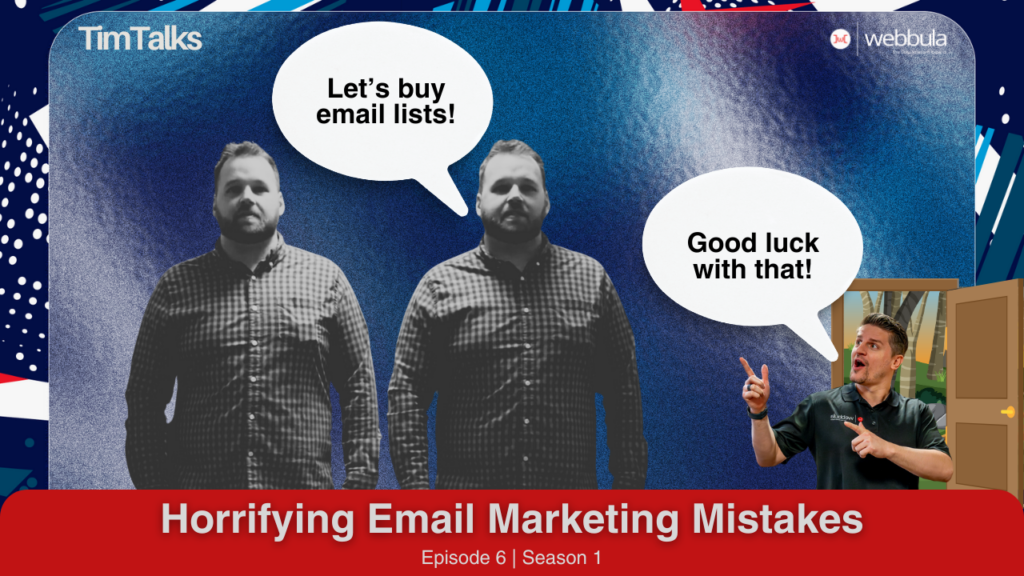
Using purchased email lists is not recommended. Not only can it lead to low engagement and high unsubscribe rates, but it can also damage your sender reputation and potentially violate spam laws. Building your own list through opt-in methods ensures a higher quality and more engaged audience.
What are the key metrics to track in email marketing?
Key metrics to track include open rates, click-through rates (CTR), conversion rates, unsubscribe rates, and bounce rates. These metrics provide insights into how well your emails are performing and where there may be opportunities for optimization.
What should I do if my email engagement is declining?
If you notice a decline in email engagement, consider refreshing your content strategy, cleaning your email list to remove inactive subscribers, experimenting with different sending frequencies, and employing re-engagement campaigns to win back unengaged subscribers. Analyzing your email analytics can also help identify specific areas for improvement.
How important is email list segmentation?
Email list segmentation is crucial for personalizing your marketing efforts. By dividing your list based on criteria like demographics, purchase history, or engagement level, you can send more targeted and relevant content, which can lead to higher engagement and conversion rates.