


In the dynamic world of email marketing, staying informed about platform changes across various platforms, including Gmail, is crucial. The Gmail account purge has sent ripples through the industry, prompting a reevaluation of marketing strategies on Gmail and other platforms. :contentReference{index=0}
Understanding the Gmail Account Deletion
Email marketing professionals are facing a significant shift with Gmail’s account purge. Understanding the rationale behind this decision is crucial for adapting and strategizing effectively in this changing landscape.
Why is Gmail Purging Accounts?
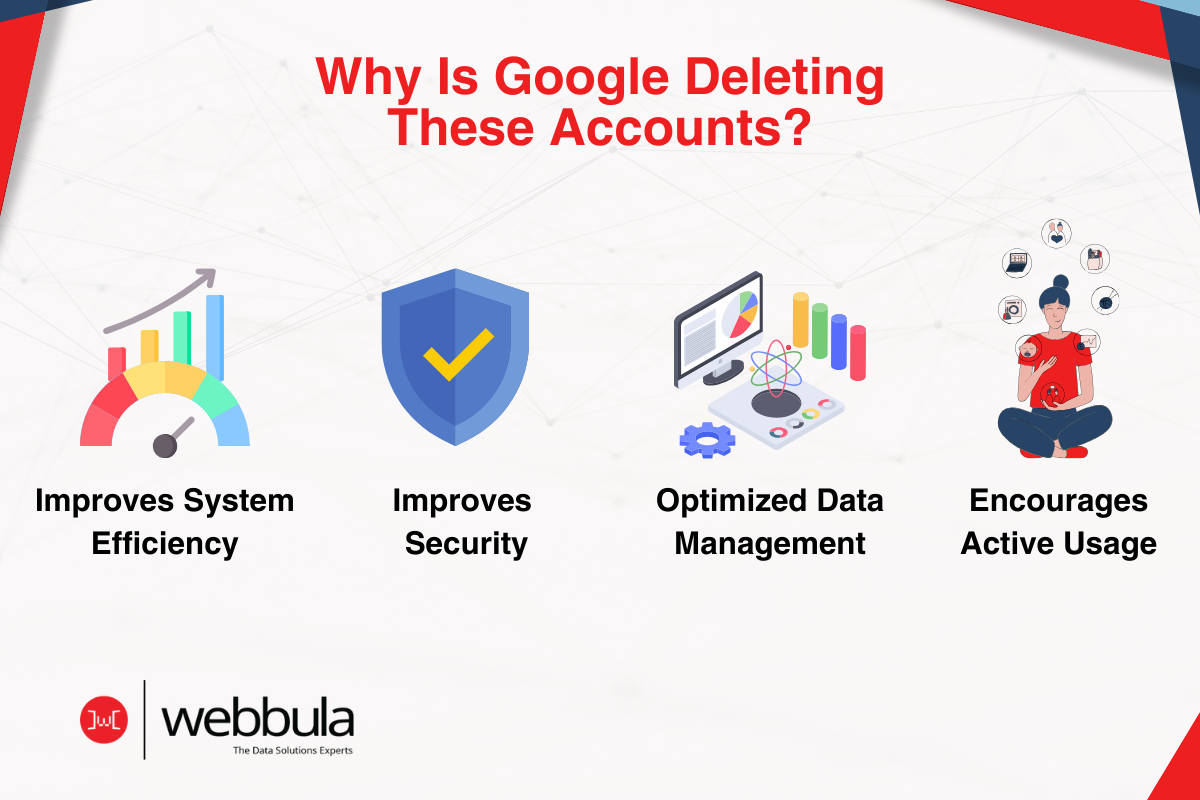 At its core, the purge is driven by Gmail’s commitment to enhancing user experience and ensuring optimal service functionality. Over time, countless email accounts become inactive – these are accounts that have not been accessed for an extended period. Such dormant accounts not only clutter the platform but also present potential security risks and inefficiencies. By purging these inactive accounts, Gmail aims to:
- Improve System Efficiency: Removing inactive accounts frees up storage space, allowing for smoother and faster server performance. This is essential for maintaining Gmail’s high service standards.
- Enhance Security: Dormant accounts are often more vulnerable to security breaches. Purging them reduces the risk of unauthorized access and potential data compromises.
- Optimize Data Management: Managing a massive number of accounts, active or not, requires significant resources. By focusing on active users, Gmail can allocate its resources more effectively.
- Encourage Active Usage: This strategy also serves as a nudge for users to actively engage with their accounts, ensuring a more dynamic and interactive user base.
Impact on Email Marketing
For email marketers, understanding this rationale is just the beginning. The real challenge lies in navigating the implications of this purge, not just on Gmail but across other platforms as well. The reduction in the number of active email accounts means that marketers must reassess their email lists, engagement strategies, and overall approach to digital marketing.
In the next sections, we will delve into the specific implications of email marketing and offer strategies to adapt to this new reality effectively.
Implications for Email Marketing
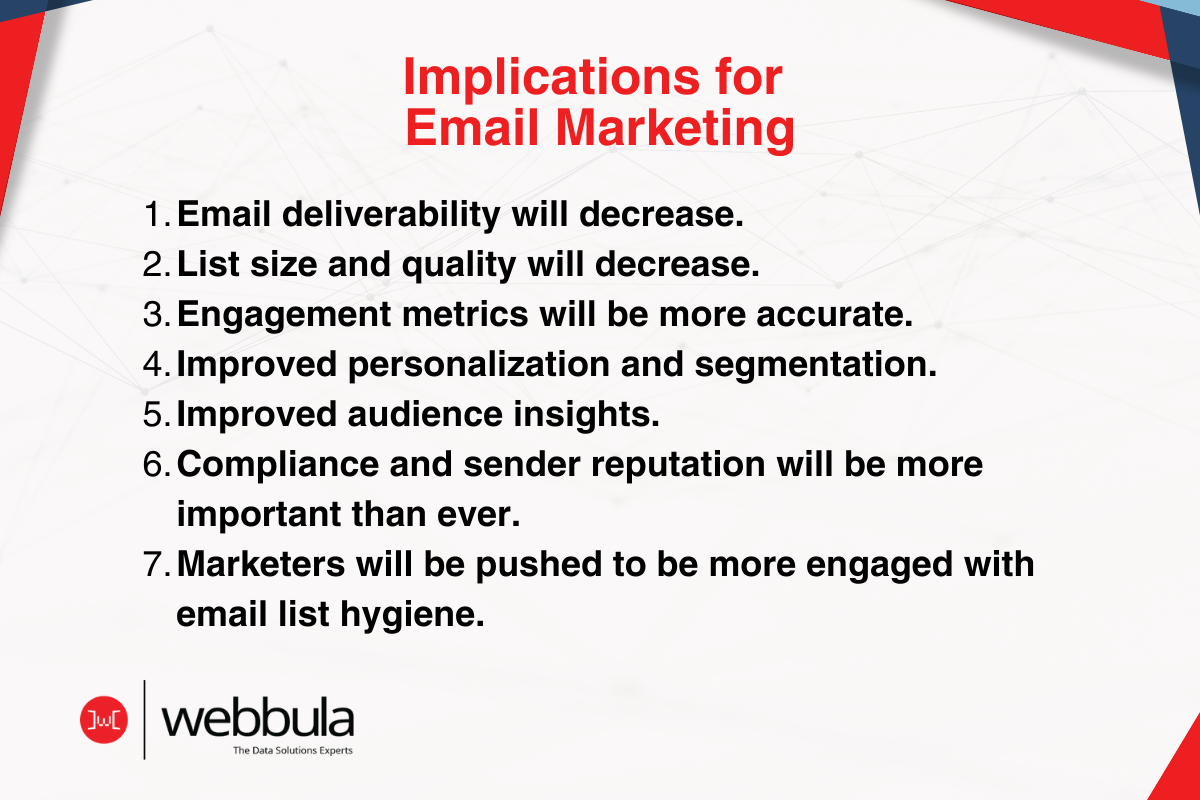 The Gmail account deletion presents several key implications for email marketers, necessitating a strategic response to adapt to these changes effectively.
- Email Deliverability: With the removal of inactive accounts, the overall size of many email lists will decrease. This can initially seem detrimental, but it actually improves the accuracy of deliverability metrics. Marketers will now be sending emails to a more engaged and active audience, which can lead to higher deliverability rates. It’s an opportunity to focus on quality over quantity, ensuring that your content reaches genuinely interested subscribers.
- List Size and Quality: The purge will likely result in a noticeable decrease in email list size. However, this should be viewed as an enhancement in list quality. The remaining subscribers are those who are active and more likely to engage with your content. This shift calls for a change in how success is measured; it’s not just about how many people you reach, but how many engage with your content.
- Engagement Metrics: With inactive accounts out of the picture, key engagement metrics like open rates, click-through rates, and conversion rates are expected to become more accurate reflections of your audience’s interest and engagement. This could mean seeing a rise in these metrics, as they will now be based on a more engaged user base.
- Re-targeting and Personalization: This is an excellent time for marketers to refine their targeting and personalization strategies. With a cleaner, more engaged email list, personalization can become more accurate, leading to increased relevance and effectiveness of marketing campaigns.
- Audience Insights and Analytics: The purge also impacts the way marketers gather and interpret audience data. With a more engaged audience, the data collected post-purge will offer more accurate insights into subscriber preferences and behaviors, enabling more effective campaign planning and content creation.
- Compliance and Reputation Management: This change also underscores the importance of adhering to best practices in email marketing, particularly in terms of compliance with regulations like GDPR and CAN-SPAM. A cleaner email list means a reduced risk of spam complaints and a better overall sender reputation.
- Future List-Building Strategies: Finally, the Gmail purge highlights the need for sustainable list-building strategies. Marketers should focus on acquiring subscribers who show genuine interest in their content, thereby ensuring long-term engagement and reducing the likelihood of future purges impacting their lists significantly.
Strategies for Email Marketers
 In light of the Gmail account deletion, email marketers must adapt their strategies to maintain and enhance their campaign effectiveness. We suggest the following action plan, many of which can be implemented today:
- Clean Address Lists: Regular cleaning of email lists is essential. Marketers should periodically remove invalid addresses and hard bounces to ensure they are only sending emails to valid and engaged contacts. This not only protects the sender reputation but also improves overall deliverability.
- Content Optimization: The content of your emails should engage directly with the audience. To achieve this:
- Avoid Spam Triggers: Refrain from using sales-heavy language that might trigger spam filters.
- Personalization: Use customer data to create tailored content that resonates with your audience. This approach boosts engagement rates and improves open rates, while also decreasing spam complaints.
- Engagement-Driven Strategies: Email marketing should focus on building interactive relationships with the audience. Implement strategies like:
- Segmentation: Categorize your email list based on factors like purchase history or location.
- Interactive Elements: Incorporate surveys and quizzes for more active engagement. These practices enhance open and click-through rates and foster loyal customer relationships.
- List Maintenance: The health of your email list is crucial. Regularly cleanse your list of inactive subscribers and utilize email verification tools. This improves the overall health of your list, ensuring higher deliverability rates and reducing bounce rates and spam reports.
- Testing and Analytics: A flexible approach in email marketing is vital.
- A/B Testing: Experiment with different email elements to find what resonates best with your audience.
- Analyzing Metrics: Track performance metrics like open rates and bounce rates to gain insights. This data can help identify effective strategies and provide actionable information for continuous optimization of your email campaigns.
Best Practices for Email List Hygiene
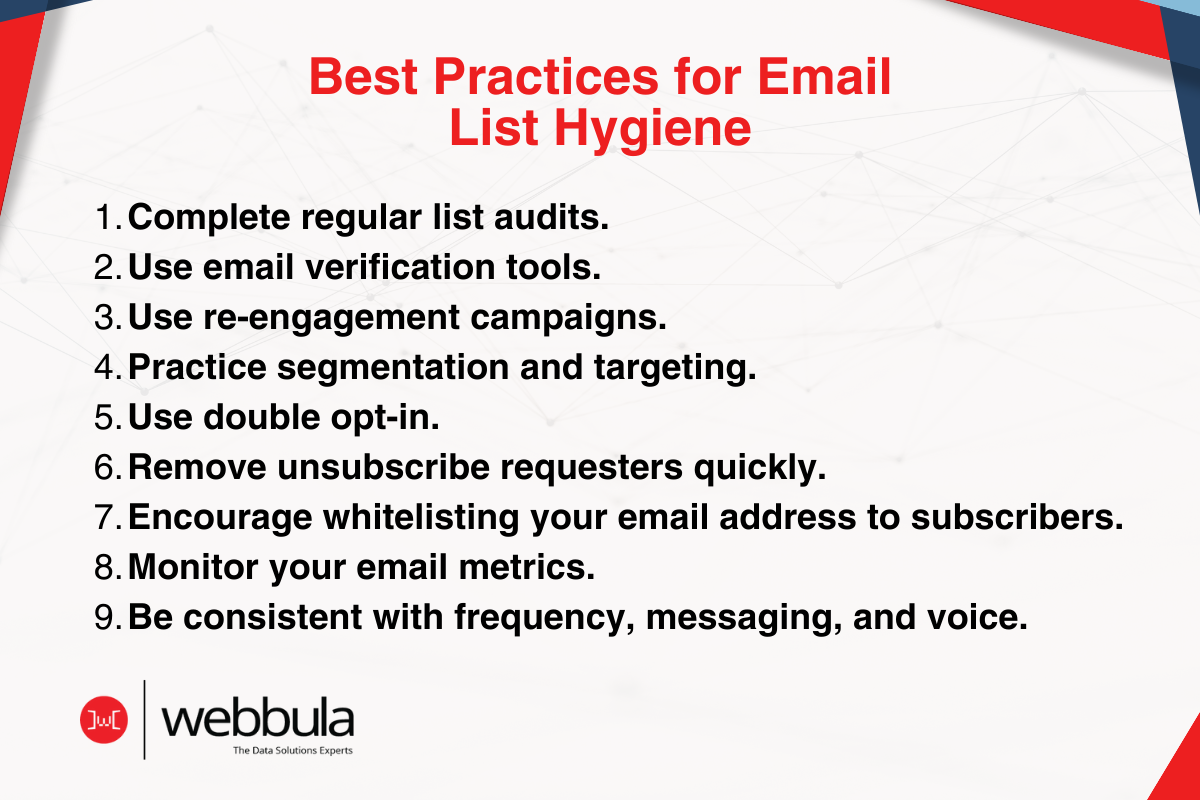
In the wake of the Gmail account deletion, maintaining a healthy email list becomes even more critical. Here are some best practices for email list hygiene that can ensure sustained success in your email marketing efforts, applicable on Gmail and other platforms:
- Regular List Audits: Conduct periodic audits of your email list. This involves assessing the quality of your contacts, identifying inactive or unresponsive subscribers, and determining the relevance of your list to your current marketing goals.
- Use of Email Verification Tools: Implement advanced email verification tools to ensure the authenticity and activity of the email addresses on your list. These tools can help identify and remove invalid, fake, or risky email addresses, thereby improving the overall quality of your list.
- Re-engagement Campaigns: For subscribers who are inactive, consider implementing re-engagement campaigns. These campaigns can be tailored with special offers, reminders, or engaging content to reignite interest among subscribers who haven’t interacted with your emails for a while.
- Segmentation for Targeted Content: Segment your email list based on criteria like subscriber behavior, preferences, or demographics. This allows for more targeted and personalized email campaigns, leading to higher engagement rates.
- Opt-in Confirmation and Preference Management: Ensure that new subscribers have explicitly opted in to receive emails from you. Additionally, provide options for subscribers to manage their preferences, such as frequency of emails and types of content they wish to receive. This keeps your list filled with engaged and interested subscribers.
- Removing Unsubscribes Promptly: Always respect unsubscribe requests by removing these contacts from your list promptly. This not only adheres to email marketing regulations but also helps maintain a clean and engaged list.
- Educating Subscribers on Whitelisting: Encourage your subscribers to whitelist your email address. This can improve the chances of your emails landing in the primary inbox, thereby enhancing visibility and engagement.
- Monitoring Email Metrics: Keep a close watch on key email metrics like open rates, click-through rates, bounce rates, and spam complaints. These metrics provide valuable insights into the health of your email list and the effectiveness of your email campaigns.
- Consistent Messaging and Branding: Maintain a consistent tone, messaging, and branding across your emails. Consistency helps in building trust and recognition among your subscribers, leading to higher engagement.
- Legal Compliance: Stay updated with email marketing laws and regulations such as GDPR, CAN-SPAM, and CASL. Ensure that your email marketing practices are compliant with these regulations to avoid legal issues and build trust with your audience.
Conclusion
As we navigate the aftermath of the Gmail account deletion, it’s clear that this event presents both significant challenges and unique opportunities for email marketers, not just on Gmail but across various platforms. The strategic move by Gmail and the integration of enhanced email marketing strategies is not just necessary; it’s an opportunity to innovate and grow in our ever-evolving digital marketing landscape.
Looking Ahead
The future of email marketing continues to evolve, with new challenges and innovations on the horizon. Staying informed and flexible in our approaches will be key to navigating these changes successfully. By embracing adaptability and resilience, we can turn these challenges into stepping stones for growth and success.
A Reminder of Key Strategies
Remember, the health of your email list is paramount. Regular list maintenance, targeted content personalization, and a strong focus on engagement metrics are more crucial than ever. By applying these strategies, we not only comply with the changing dynamics of email platforms like Gmail but also ensure that our marketing efforts are as effective and impactful as possible.
As we conclude, let’s view the Gmail account deletion not just as a hurdle, but as a catalyst for refining our practices and strengthening our connections with our audiences. Together, we can navigate these changes, harnessing them to build more robust and effective email marketing campaigns.
Commonly Asked Questions About the Gmail Account Purge
What is the Gmail account purge and why is it happening?
The Gmail account purge is an initiative by Gmail to delete inactive email accounts, aimed at enhancing user experience, improving system efficiency, enhancing security, and optimizing data management. It involves removing accounts that haven’t been accessed for an extended period.
How does Gmail’s account purge affect email deliverability and marketing strategies?
The purge impacts email marketing by potentially reducing list sizes but improving list quality and deliverability rates. It necessitates a shift in marketing strategies to focus more on engaged audiences and accurate metrics.
What strategies can email marketers use to adapt to Gmail’s account purge?
Email marketers can adapt by cleaning their email lists regularly, focusing on content optimization and personalization, segmenting their audience, and using email verification tools to maintain list health and effectiveness.
How can email marketers maintain list quality post-Gmail purge?
Post-purge, maintaining list quality involves regular audits, removing inactive subscribers, implementing re-engagement campaigns, and ensuring new subscribers have explicitly opted in. This helps in keeping the list engaged and relevant.
What are the best practices for email list hygiene in light of the Gmail account purge?
Best practices include conducting regular list audits, using email verification tools, segmenting the list for targeted content, managing subscriber preferences, respecting unsubscribe requests, and staying compliant with email marketing laws.