


Email address harvesting might seem like a quick and easy way to build your marketing list, but the reality is far more complicated—and dangerous. While it can be tempting to collect email addresses from publicly available sources or purchase lists from third parties, these methods come with significant risks that can damage your business in more ways than one.
Email harvesting not only violates the law, including the CAN-SPAM Act, but it also puts your company at risk of severe penalties, damaged sender reputation, and ineffective marketing campaigns. Instead of achieving the growth you hope for, you could find yourself dealing with blocked emails, legal troubles, and a tarnished brand image.
In this blog, we’ll explore why email harvesting is a bad idea. We’ll break down the legal, technical, and reputational consequences, and offer safer, more effective alternatives to help you build a healthy, engaged email list. By the end, you’ll understand why taking the high road in email marketing is always the best choice.
Key Takeaways
- Legal Risks: Understand the legal implications, including CAN-SPAM Act violations.
- Technical Dangers: Learn about the impact on mail server monitoring and how harvesting can lead to email delivery failures.
- Reputational Damage: Discover how email harvesting can harm your brand reputation.
What is Email Harvesting?
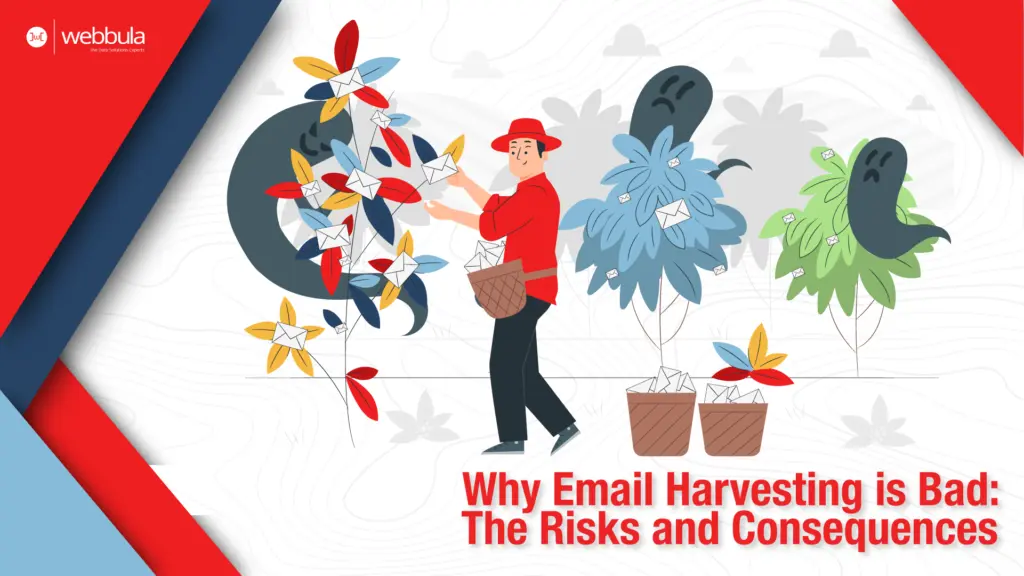
Email harvesting is the process of collecting email addresses through questionable or illegal means, often without the consent of the recipients. This practice typically involves using harvesting bots or specialized software to scrape email addresses from web pages, publicly available email addresses, and other online sources. While it might seem like a quick way to grow your email list, the risks far outweigh the benefits.
Common Methods of Email Harvesting
- Scraping Web Pages: Harvesters use bots to scan websites and spider websites for clickable email links and addresses hidden within the site’s source code. These bots collect any email addresses they find, regardless of whether the owner has consented to receive emails.
- Purchasing Lists: Some marketers buy lists of email addresses from third parties. However, these lists are often compiled through invalid recipient address methods, and the addresses may include scraped email addresses or harvested addresses from dubious sources.
- Harvesting Bots and Spiders: Harvesting email addresses through email harvesting spiders is another common method. These bots crawl the internet, automatically collecting email addresses from any internet website they encounter.
Legal Implications of Email Harvesting
Email harvesting isn’t just unethical—it’s illegal. The CAN-SPAM Act clearly outlines that sending unsolicited emails to harvested lists violates federal law. Understanding CAN-SPAM’s main requirements is crucial, as it governs all commercial email practices and mandates compliance to avoid significant penalties. The Act establishes requirements for commercial messages and prohibits certain practices, such as using misleading header information and deceptive subject lines. Non-compliance can result in tough penalties, including fines and legal action.
It’s important to understand that by harvesting email addresses, you’re not only risking legal consequences but also endangering your business’s reputation and operational efficiency. Email addresses collected through such means are often riddled with invalid recipient addresses and spam traps, which can severely impact your ability to deliver emails.
Technical and Operational Risks of Email Harvesting
Email harvesting doesn’t just carry legal risks—it also poses serious technical and operational challenges that can cripple your marketing efforts and damage your infrastructure.
Impact on Email Delivery
One of the most immediate issues with using harvested email addresses is the impact on your email delivery rates. Valid email addresses are crucial for ensuring successful email delivery, as they help maintain a clean email list and reduce bounce rates. Harvested addresses often include a high percentage of invalid recipient addresses. Sending emails to these invalid addresses can cause your emails to bounce, leading to increased scrutiny from mail server monitoring systems.
When your emails bounce or are flagged as spam, it triggers negative responses from spam filters and email clients. These tools are designed to protect users from unsolicited emails, and sending emails to a list filled with invalid or harvested addresses will likely get your domain blacklisted. This can lead to your emails being blocked entirely, effectively cutting off your ability to reach valid recipients.
Strain on SMTP Services
Using a professional SMTP service to send bulk emails to harvested lists can strain these services and lead to further operational issues. Many SMTP services monitor the bounce rates and spam complaints associated with their clients’ emails. If your bounce rates are too high or you trigger too many spam complaints, the service may suspend your account or impose stricter sending limits. This not only disrupts your email campaigns but can also damage your relationship with your email service provider.
Security Concerns
Email harvesting introduces several security risks that can have long-lasting consequences for your business. One of the most significant dangers is the potential for spam traps. These are email addresses specifically set up to catch spammers and email harvesters. If you send emails to these addresses, your IP address could be flagged, leading to blocklisting and significant harm to your brand reputation.
In addition to spam traps, there’s the risk of encountering spider traps. These traps are designed to catch harvesting bots as they crawl through web pages. If your IP is caught in one of these traps, it can result in severe penalties, including being blacklisted by major email service providers.
Lastly, using harvested emails can expose your organization to dictionary attacks. In these attacks, spammers use common passwords or email address formats to gain unauthorized access to accounts. This can lead to data breaches, compromised customer information, and significant reputational damage.
The Reputational Damage of Email Harvesting
Beyond the legal and technical pitfalls, email harvesting can severely damage your business’s reputation. Your brand’s credibility is one of its most valuable assets, and sending unsolicited emails to harvested addresses can quickly erode the trust you’ve worked hard to build.
Damage to Brand Reputation
When you send emails to a list of harvested addresses, you’re likely sending messages to recipients who never opted in to receive your communications. This approach often leads to high rates of unwanted emails in recipients’ inboxes, which can generate a slew of opt out requests and spam complaints. Over time, this paints your brand as untrustworthy, or worse, as a spammer.
Customers today are more discerning than ever. They expect brands to respect their privacy and communicate with them in ways that are both relevant and consensual. Sending unsolicited emails undermines these expectations and can lead to a significant loss of customer trust. Once your brand is associated with spamming, it can be extremely difficult to rebuild your reputation, and potential customers may choose to take their business elsewhere.
Negative Perception Among Industry Peers
The use of scraped email addresses and other unethical practices can also harm your standing within your industry. Many businesses and professionals rely on their reputation to secure partnerships, collaborations, and new clients. When your peers see that you’re engaging in shady practices like email harvesting, they may be less inclined to work with you. This can limit your opportunities for growth and innovation, as well as isolate you from valuable industry networks.
Impact on Marketing Effectiveness
The effectiveness of your marketing campaigns is directly tied to the quality of your email list. When that list is built through email harvesting, it’s filled with recipients who are unlikely to engage with your content. This leads to low open rates, minimal click-through rates, and ultimately, a poor return on investment (ROI).
Moreover, the high number of deceptive subject lines often associated with emails sent to harvested lists can trigger spam filters, further reducing your emails’ chances of reaching the inbox. Even if your emails do make it through, the recipients are less likely to trust them, leading to fewer conversions and a negative impact on your overall marketing strategy.
In the long run, the damage to your brand reputation from email harvesting can have far-reaching consequences, affecting everything from customer loyalty to your bottom line. It’s a classic case of short-term gain for long-term pain—what might seem like an easy way to build your email list can end up costing you far more in lost trust, diminished brand value, and missed opportunities.
Preventing Email Harvesting and Alternatives
If the risks of email harvesting haven’t convinced you to steer clear, consider the benefits of ethical alternatives. Email harvesting alternatives offer safer, more compliant methods to gather email addresses without jeopardizing the integrity of your website. Not only do these methods protect your business from legal and reputational damage, but they also foster genuine connections with your audience, leading to higher engagement and better long-term results.
Combatting Email Harvesting
Preventing email harvesting is crucial to maintaining the integrity of your email list and the trust of your recipients. Here are some strategies to protect your website and email addresses from harvesting bots:
- Use Hexadecimal Entities: One effective method to combat email harvesting is to encode your email addresses using hexadecimal entities in your website’s source code. This makes it more difficult for harvesting bots to recognize and scrape the addresses.
- Implement HTML Obfuscation: Another technique is HTML obfuscation, which involves altering the way email addresses are displayed in the code. This can include adding characters or using scripts to dynamically generate email addresses, making it harder for bots to harvest them.
- Deploy Spider Traps: Consider setting up spider traps—dummy email addresses placed on your website that act as bait for harvesting bots. When these traps are triggered, you can identify and block the IP addresses associated with the bots, preventing them from accessing your site further.
- Monitor for Harvesting Bots: Regularly monitor your mail servers and website traffic for suspicious activity that could indicate the presence of harvesting bots. This proactive approach allows you to take immediate action if your systems detect any unusual behavior.
Implementing the above methods is essential to secure your personal information against spammers and hackers.
Safe and Effective Alternatives
While preventing email harvesting is important, the real key to success lies in building your email list through ethical, consent-based methods. Here are some alternatives that can help you grow a robust and engaged subscriber base:
- Opt-In Forms on Websites: Place opt-in forms prominently on your websites and landing pages to encourage visitors to voluntarily provide their email addresses. This ensures that every email on your list is from a recipient who is genuinely interested in your content.
- Use a Professional SMTP Service: Leverage a professional SMTP service to send emails to your list. These services often include built-in safeguards against sending to invalid or scraped email addresses, helping you maintain a clean and effective email list.
- Permission-Based Marketing: Focus on permission-based marketing, where recipients explicitly agree to receive your emails. This approach not only complies with laws like the CAN-SPAM Act but also leads to higher engagement rates, as your audience is more likely to interact with content they’ve requested.
- A/B Testing and Segmentation: To maximize the effectiveness of your email campaigns, use A/B testing and segmentation strategies. By tailoring your messages to specific audience segments and testing different approaches, you can identify what resonates most with your subscribers, leading to higher open and conversion rates.
- Regular List Maintenance: Keep your email list healthy by regularly cleaning it of invalid recipient addresses and outdated contacts. This ensures that your emails are reaching active, interested recipients, and reduces the risk of being flagged by spam filters.
Conclusion
While email harvesting might seem like a shortcut to growing your email list, the risks far outweigh any potential benefits. By focusing on ethical list-building practices and taking steps to prevent harvesting, you’ll not only protect your business from legal and reputational harm but also build a more engaged and responsive audience. The return on investment from a well-maintained, permission-based email list will always surpass the short-lived gains from unethical practices.
Commonly Asked Questions About Email Harvesting
Can email addresses be harvested for spamming?
Yes, email addresses can be harvested for spamming through various methods, such as scraping websites, purchasing lists, or using harvesting bots. These addresses are then used to send unsolicited emails, often leading to spam complaints and potential legal consequences for the sender.
Is harvesting email addresses illegal?
Yes, harvesting email addresses is illegal in many jurisdictions, including under the CAN-SPAM Act in the United States. This law prohibits the collection of email addresses without consent and the sending of unsolicited commercial emails. Violating these laws can result in significant fines and legal action.
What are the risks of email interception?
Email interception occurs when an unauthorized party gains access to the content of an email during its transmission. The risks include exposure of sensitive information, identity theft, and potential legal ramifications. It can also lead to a loss of trust from customers if their data is compromised.
How does email farming work?
Email farming, also known as email harvesting, involves collecting email addresses from publicly available sources on the internet. This can be done manually or through automated tools like harvesting bots that crawl websites to extract email addresses. The collected emails are then used for unsolicited marketing campaigns, which can result in poor engagement and legal issues.
What are the dangers of receiving unsolicited emails?
Receiving unsolicited emails can expose recipients to several dangers, including phishing scams, malware, and identity theft. Unsolicited emails often come from unverified sources and may contain links or attachments designed to steal personal information or compromise the security of the recipient’s device. Additionally, frequent receipt of such emails can lead to inbox clutter and reduced productivity.