
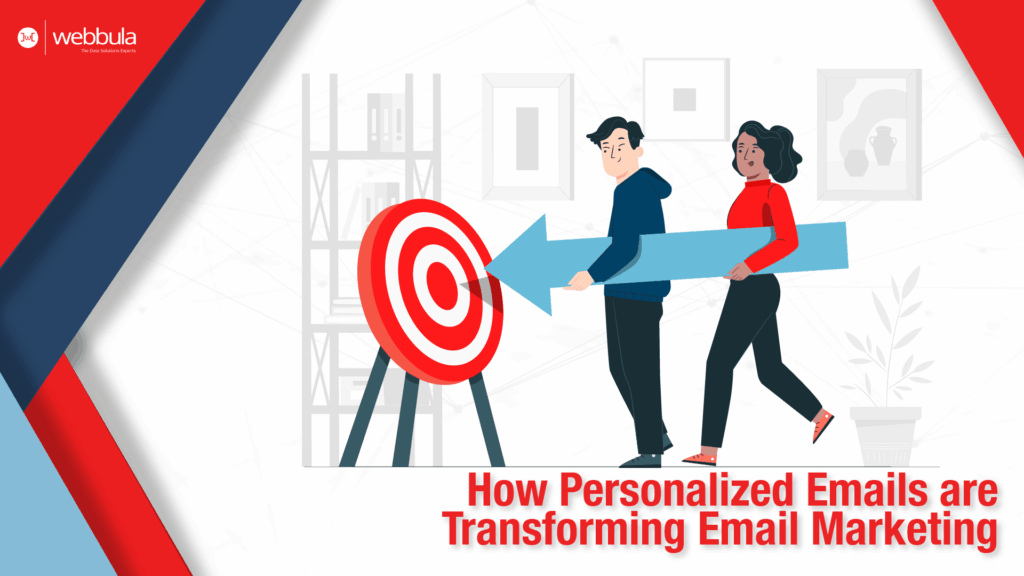


Email marketing today has evolved from simple promotional messages to a sophisticated strategy focused on personalizing the subscriber’s experience. The days of generic, one-size-fits-all emails are over. Now, businesses aim to create personalized emails that resonate with individual subscribers. The marketing team plays a crucial role in personalizing the ‘from’ field and subject lines to make the communication more conversational and increase engagement. This shift is driven by the understanding that when subscribers receive content tailored to their interests and needs, they are more likely to engage with it.
Personalized emails go beyond addressing recipients by their first name. They encompass the entire email marketing strategy, from the subject line to the email’s content. Hyper-personalization leverages data such as purchasing behavior, browsing history, and real-time actions to craft messages that speak directly to each subscriber. This approach transforms email marketing into a powerful tool for customer engagement, enhancing the overall effectiveness of marketing campaigns.
In this blog, we will delve into the world of hyper-personalization in email marketing. We’ll explore the core elements of email personalization, discuss strategies for implementation, and highlight the benefits of adopting this advanced marketing tactic. Join us as we uncover how hyper-personalization can elevate your email marketing efforts and create a more engaging experience for your subscribers.
Benefits of Email Personalization
- Enhanced Engagement: Personalized emails significantly increase subscriber engagement. By having the marketing team personalize the ‘from’ field with a real person’s name and tailor subject lines based on audience data, marketers can capture the recipient’s attention more effectively. This leads to higher open rates and click-through rates, boosting the overall success of email marketing campaigns.
- Improved Customer Experience: Hyper-personalization enhances the customer experience by delivering relevant content. When emails reflect the recipient’s interests and needs, it fosters a sense of connection and trust between the customer and the brand.
- Increased Conversion Rates: Personalizing email content can lead to higher conversion rates. Subscribers are more likely to act on offers and recommendations that align with their preferences and past behaviors.
- Better Customer Retention: Personalized communication helps in retaining customers by making them feel valued and understood. This approach can turn one-time buyers into loyal customers who return for more.
- Higher ROI: Investing in personalized email marketing strategies can yield a higher return on investment. Personalized emails can generate more revenue compared to generic emails, making the initial investment in data collection and personalization tools worthwhile.
The Evolution of Email Marketing
Shift from Generic to Personalized Email Marketing
Email marketing has come a long way from the days of generic, mass-sent messages. Initially, businesses would send the same email to their entire mailing list, hoping to capture some level of interest. However, as consumer expectations evolved and technology advanced, this approach proved insufficient. Subscribers now expect personalized communication that speaks directly to their interests and needs.
Importance of Email Marketing Personalization for Modern Strategies
Today, personalization is not just a nice-to-have; it’s a necessity. Personalized email marketing helps businesses stand out by offering relevant content that captures attention and fosters loyalty. Here are some key aspects of email marketing personalization:
- Personalized Subject Lines: Crafting subject lines that include the subscriber’s name or reflect their recent activities can significantly increase open rates. Personalized subject lines create a sense of relevance and urgency, encouraging recipients to open the email. The marketing team can use a real person’s name in the ‘from’ field and personalize subject lines based on audience data to make the communication more conversational and engaging.
- Tailored Content: Using customer data to tailor the content of emails ensures that the message aligns with the recipient’s interests. This can include product recommendations based on past purchases, content that matches browsing history, and offers that are timely and relevant.
- Dynamic Content: Incorporating dynamic content that changes based on real-time data and user behavior allows for more engaging and up-to-date communication. This can involve showing different products or offers to different segments of your audience within the same email.
- Behavioral Triggers: Setting up automated emails based on subscriber behavior, such as abandoned cart reminders or follow-up emails after a purchase, helps maintain engagement and encourages conversions.
Impact on Marketing Campaigns
Personalized email marketing has a profound impact on the success of marketing campaigns. By delivering content that is relevant and timely, businesses can achieve higher engagement rates, improved customer satisfaction, and ultimately, better conversion rates. Furthermore, personalization helps in building long-term relationships with customers, as it shows that the business understands and values their individual needs.
The evolution of email marketing towards hyper-personalization has transformed how businesses communicate with their subscribers. By leveraging customer data and employing advanced personalization strategies, marketers can create compelling email campaigns that drive engagement and foster loyalty.
The Core Elements of Hyper-Personalization
Personalized Subject Lines and Messages
The subject line is the first thing a recipient sees and can significantly influence their decision to open an email. The marketing team can personalize the ‘from’ field and subject lines by using a real person’s name and tailoring elements based on audience data to make emails more appealing and increase open rates. Personalized subject lines, which include the subscriber’s first name or reference their recent activity, can make emails more appealing and increase open rates. Personalized messages go beyond just the subject line; they ensure the entire email content resonates with the recipient’s preferences and interests.
Utilizing Subscriber’s First Name and Recipient’s Preferences
Including the subscriber’s first name in the email creates a personal touch and helps build a connection. Additionally, understanding and incorporating the recipient’s preferences, such as their favorite products, browsing history, and past purchases, can make the email content more relevant and engaging.
Creating Dynamic Content Based on Browsing History and User Behavior
Dynamic content adapts to each recipient based on real-time data and their past behavior. For example, if a subscriber frequently browses a particular category on your website, you can include related products or content in your emails. This approach ensures that each email feels unique and tailored to the individual, increasing the likelihood of engagement and conversion.
Leveraging Customer Data for Personalization
Collecting and analyzing customer data is crucial for effective hyper-personalization. This data can include:
- Browsing History: Tracking which pages or products a subscriber has viewed can provide insights into their interests.
- Purchase History: Knowing what a subscriber has bought in the past helps in making relevant product recommendations.
- Engagement Data: Understanding how subscribers interact with your emails (e.g., which links they click on) can help in crafting more engaging content.
- Demographic Information: Age, location, gender, and other demographic factors can influence the type of content that resonates with different segments of your audience.
Advanced Personalization Tactics
To take personalization to the next level, consider implementing advanced tactics such as:
- Behavioral Triggers: Automate emails based on specific actions taken by the subscriber, such as a welcome email when they sign up, a reminder email for an abandoned cart, or a follow-up email after a purchase.
- Predictive Analysis: Use predictive analytics to anticipate what products or content a subscriber might be interested in based on their past behavior and similar profiles.
- Segmentation: Divide your email list into smaller segments based on shared characteristics or behaviors. This allows for more targeted and relevant messaging.
- Personalization Tags: Incorporate tags that pull in unique data points for each subscriber, such as their recent purchase or loyalty status, to make the email content more relevant.
Creating a Seamless Experience Across Channels
Hyper-personalization should extend beyond email to create a cohesive experience across all channels. Ensure that the personalized messages in your emails are consistent with what subscribers see on your website, social media, and other marketing channels. This unified approach helps in reinforcing your brand message and maintaining a strong connection with your audience.
By focusing on these core elements, marketers can effectively implement hyper-personalization in their email campaigns, delivering a more engaging and relevant experience for their subscribers.
Implementing Email Personalization Strategies
Collecting and Analyzing Data
To implement effective email personalization, start by collecting as much data as possible about your subscribers. This can include:
- Sign-Up Forms: Gather basic information such as name, email address, and preferences when subscribers sign up.
- Purchase Data: Track what subscribers buy, how often, and any patterns in their purchasing behavior.
- Website Activity: Monitor pages visited, items viewed, and interactions with your website.
- Email Engagement: Analyze which emails are opened, what links are clicked, and overall interaction with your email campaigns.
Analyzing this data helps in understanding your audience better and tailoring your email content to meet their specific needs.
Employing Advanced Personalization Tactics
Using advanced personalization tactics can significantly enhance the relevance and effectiveness of your email campaigns. Here are a few strategies:
- Behavioral Triggers: Set up automated emails that are triggered by specific actions taken by subscribers, such as cart abandonment, product views, or past purchases. These emails are timely and relevant, increasing the likelihood of engagement.
- Marketing Team Personalization: Your marketing team can personalize the ‘from’ field and subject lines by using a real person’s name from the team and tailoring subject lines based on audience data. This makes the communication more conversational and engaging.
- Predictive Analytics: Use predictive analytics to forecast future subscriber behavior and preferences. This allows you to send personalized recommendations and offers that align with what subscribers are likely to be interested in.
- Dynamic Content Blocks: Incorporate dynamic content blocks within your emails that change based on the recipient’s data. For example, a dynamic product recommendation section can show different products to different subscribers based on their browsing history.
Personalization Techniques for Targeted Emails
To create highly targeted emails, use these personalization techniques:
- Segmentation: Divide your email list into smaller segments based on shared characteristics or behaviors. This allows you to send more relevant content to each group.
- Personalization Tags: Use tags to pull in unique data points for each subscriber, such as their name, recent purchase, or loyalty status. This makes the email content feel more personalized and relevant.
- Tailored Recommendations: Based on the data collected, provide personalized product or content recommendations within your emails. This can drive higher engagement and conversions.
Creating Dynamic Content
Dynamic content adapts to the recipient’s data in real-time, making each email feel unique and relevant. Here’s how to create dynamic content:
- Real-Time Data Integration: Integrate your email platform with your CRM or data analytics tools to pull in real-time data about your subscribers. This ensures that the content is always up-to-date and relevant.
- Content Variations: Prepare multiple variations of content blocks that can be swapped out based on subscriber data. For example, you can have different product recommendations, promotional offers, or content pieces ready to be displayed based on the recipient’s preferences.
- A/B Testing: Test different versions of dynamic content to see which ones perform best. Use the insights gained from A/B testing to continually refine and improve your personalization efforts.
Using Customer Data Effectively
Make the most of the customer data you have by following these best practices:
- Privacy and Consent: Ensure that you have the necessary consent to use your subscribers’ data. Be transparent about how their data will be used and provide options for them to manage their preferences.
- Data Accuracy: Regularly clean and update your data to ensure its accuracy. Outdated or incorrect data can lead to irrelevant or incorrect personalization, which can frustrate subscribers.
- Data Security: Protect your subscribers’ data by implementing robust security measures. This helps in building trust and maintaining the integrity of your email personalization efforts.
By implementing these email personalization strategies, marketers can create highly targeted and relevant email campaigns that resonate with subscribers, driving higher engagement and conversion rates.
Tools and Platforms for Hyper-Personalization
Best Email Marketing Software and Platforms
Choosing the right email marketing software is essential for executing hyper-personalization effectively. Here are some top features to look for:
- Advanced Segmentation: Look for platforms that allow you to segment your audience based on detailed criteria such as demographics, purchase history, and engagement levels. This helps in creating highly targeted email campaigns.
- Dynamic Content Capabilities: Ensure the platform supports dynamic content blocks that change based on the recipient’s data. This allows you to deliver personalized content to each subscriber.
- Automation Features: Robust automation capabilities are crucial. This includes setting up behavioral triggers, automated workflows, and scheduling emails based on user actions.
- Data Integration: The ability to integrate with your CRM, e-commerce platform, and other data sources is vital. Real-time data integration ensures that your personalization efforts are accurate and up-to-date.
- Analytics and Reporting: Comprehensive analytics and reporting tools help you track the performance of your email campaigns. This data is crucial for understanding what works and making informed adjustments.
Top Email Marketing Platforms for Hyper-Personalization
Here are some of the best email marketing platforms that excel in hyper-personalization:
- Mailchimp: Known for its user-friendly interface and advanced segmentation capabilities. Mailchimp allows for dynamic content and robust automation, making it ideal for personalized email marketing.
- HubSpot: Offers seamless integration with its CRM, advanced personalization features, and detailed analytics. HubSpot is excellent for businesses looking to scale their personalized email efforts.
- ActiveCampaign: Combines email marketing with marketing automation and CRM features. It provides advanced segmentation, dynamic content, and powerful automation tools.
- Klaviyo: Tailored for e-commerce, Klaviyo excels in integrating with e-commerce platforms and using customer data for hyper-personalization. It offers advanced automation and dynamic content capabilities.
- Marketo: A robust solution for large enterprises, Marketo offers extensive personalization features, advanced analytics, and seamless integration with other marketing tools.
- Digioh: Specializes in creating personalized email experiences with its powerful dynamic content capabilities and advanced segmentation. Digioh integrates easily with major email service providers and CRM systems, allowing marketers to deliver highly relevant and engaging content to their subscribers.
Features to Look for in an Email Marketing Tool
When selecting an email marketing tool, consider these key features:
- User-Friendly Interface: An intuitive interface is crucial for creating and managing personalized email campaigns efficiently.
- Customization Options: Look for tools that offer flexible customization of email templates, content blocks, and personalization tags. This flexibility allows you to tailor your emails to fit your brand and subscriber preferences.
- Scalability: Ensure the platform can grow with your business. It should be capable of handling an increasing number of subscribers and more complex personalization needs as your marketing efforts expand.
- Customer Support: Reliable customer support is essential. Choose a platform that offers comprehensive support options, including tutorials, live chat, and phone support, to help you troubleshoot issues and optimize your email campaigns.
By selecting the right tools and platforms, marketers can effectively implement hyper-personalization in their email marketing strategies. This ensures that every email sent is relevant, engaging, and tailored to meet the individual needs of each subscriber, driving higher engagement and conversion rates.
Creating Effective Email Content
Tips for Personalized Content and Relevant Messages
Creating personalized content that resonates with your audience is key to the success of any email marketing campaign. Here are some tips:
- Use Customer Data: Leverage the data you’ve collected to tailor your content to each subscriber’s preferences, past purchases, and browsing behavior. This makes the content more relevant and engaging.
- Segment Your Audience: Divide your email list into segments based on criteria such as demographics, purchase history, and engagement levels. This allows you to send more targeted and relevant messages to each group.
- Craft Personalized Subject Lines: The subject line is the first thing your subscribers see, so make it count. Use their first name or reference their recent activity to grab their attention and increase open rates.
- Incorporate Dynamic Content: Use dynamic content blocks that change based on the recipient’s data. This ensures that each subscriber receives a unique and relevant message.
- Provide Valuable Content: Ensure that your emails offer value to your subscribers. This can be in the form of helpful tips, exclusive offers, or relevant product recommendations.
Strategies for Personalized Email Campaigns and Creating Dynamic Content
To make your email campaigns more effective, consider these strategies:
- Behavioral Triggers: Set up automated emails that are triggered by specific subscriber actions, such as signing up, making a purchase, or abandoning a cart. These emails are timely and relevant, which can increase engagement and conversions.
- A/B Testing: Continuously test different elements of your emails, such as subject lines, content, and calls to action. Use the insights from these tests to refine your personalization strategies and improve your campaign performance.
- Personalization Tags: Use tags to pull in unique data points for each subscriber, such as their name, recent purchases, or loyalty status. This makes the email feel more personalized and relevant.
- Consistency Across Channels: Ensure that your personalized messages are consistent across all marketing channels. This creates a seamless experience for your subscribers and reinforces your brand message.
The Role of Personalized Subject Lines in Improving Click-Through Rates
Personalized subject lines can significantly impact your email open and click-through rates. Here’s why:
- Increased Relevance: A subject line that includes the subscriber’s name or references their recent activity feels more relevant and personal, making it more likely that they will open the email.
- Higher Engagement: Personalized subject lines can capture the subscriber’s attention and encourage them to engage with the content inside the email. This can lead to higher click-through rates and conversions.
- Improved Brand Perception: Personalization shows that you value your subscribers and understand their needs. This can improve their perception of your brand and increase their loyalty.
By focusing on creating effective email content and employing personalized strategies, marketers can enhance the relevance and impact of their email campaigns. This not only drives higher engagement and click-through rates but also helps in building stronger relationships with subscribers.
Measuring Success and Adjusting Strategies
Metrics to Track: Open Rates, Click-Through Rates, and Customer Engagement
To measure the success of your hyper-personalized email campaigns, focus on these key metrics:
- Open Rates: This metric indicates how many recipients open your emails. Higher open rates often result from personalized subject lines and relevant content. Track open rates to gauge the initial impact of your emails.
- Click-Through Rates (CTR): CTR measures how many recipients clicked on links within your email. This is a direct indicator of how engaging and relevant your email content is to your audience.
- Conversion Rates: Beyond clicks, track how many recipients take the desired action, such as making a purchase or signing up for an event. Conversion rates show the effectiveness of your email in driving desired outcomes.
- Bounce Rates: Monitor bounce rates to understand the quality of your email list. High bounce rates may indicate outdated or incorrect email addresses.
- Unsubscribe Rates: Keep an eye on how many recipients unsubscribe after receiving your emails. High unsubscribe rates can indicate issues with your email content or frequency.
- Customer Engagement: Track overall engagement, including how often recipients interact with your emails, the time spent reading them, and any follow-up actions taken.
Adjusting Personalization Strategies Based on Performance Data
Use the insights gained from tracking your email metrics to adjust and improve your personalization strategies:
- Segment Refinement: Continuously refine your audience segments based on engagement and behavior data. This ensures that each segment receives the most relevant content.
- Content Optimization: Adjust your email content based on what resonates most with your audience. For example, if personalized product recommendations drive higher engagement, incorporate them more frequently.
- Testing and Iteration: Regularly test different elements of your emails, such as subject lines, content, and design. Use A/B testing to compare performance and iterate based on the results.
- Frequency Adjustments: Monitor unsubscribe rates and feedback to determine the optimal frequency for your emails. Adjust your sending schedule to avoid overwhelming your subscribers while maintaining engagement.
- Personalization Tactics: Experiment with different personalization tactics, such as dynamic content, behavioral triggers, and personalized subject lines. Track the performance of each tactic and prioritize those that yield the best results.
By closely monitoring these metrics and continuously adjusting your strategies based on data, you can enhance the effectiveness of your hyper-personalized email campaigns. This approach ensures that your emails remain relevant, engaging, and successful in achieving your marketing objectives.
Common Challenges and Solutions
Overcoming Obstacles in Collecting and Utilizing Customer Data
Collecting and effectively using customer data for hyper-personalization can present several challenges. Here are common obstacles and solutions:
- Data Collection: Gathering comprehensive and accurate data can be difficult. Ensure you use multiple sources such as website analytics, purchase history, and direct customer feedback. Implementing a robust CRM system can help centralize and manage this data efficiently.
- Data Privacy and Consent: With increasing privacy regulations like GDPR and CCPA, obtaining and maintaining customer consent for data usage is crucial. Be transparent about data collection practices and provide easy-to-understand privacy policies. Always give customers the option to manage their preferences.
- Data Integration: Integrating data from various sources can be complex. Use platforms that offer seamless integration capabilities with your CRM, email marketing tools, and other data sources to ensure a unified view of customer data.
Ensuring Relevant Content Without Overwhelming Subscribers
Balancing personalization with the risk of overwhelming your subscribers is key. Here are some strategies:
- Content Relevance: Ensure that every piece of content you send is relevant to the subscriber. Use data to tailor content to their interests and needs. Avoid generic messages that don’t add value.
- Frequency Management: Monitor engagement metrics to determine the optimal frequency of your emails. Too many emails can lead to unsubscribes, while too few can reduce engagement. Adjust your sending frequency based on subscriber behavior and preferences.
- Segmented Campaigns: Segment your audience based on different criteria, such as engagement level, purchase history, and preferences. This allows you to send targeted campaigns that are more relevant to each segment, reducing the likelihood of overwhelming any group.
Balancing Personalization with Privacy Concerns
Maintaining a balance between personalization and respecting privacy concerns is essential for building trust with your audience:
- Transparency: Be clear about what data you collect and how you use it. Provide detailed privacy policies and communicate any changes promptly to your subscribers.
- Opt-In Mechanisms: Use opt-in mechanisms to ensure that subscribers actively consent to data collection and personalized communications. Provide options for them to update their preferences at any time.
- Data Security: Implement robust security measures to protect customer data. Use encryption, secure servers, and regular security audits to prevent data breaches and maintain trust.
Common Personalization Mistakes and How to Avoid Them
Avoiding common pitfalls in personalization can enhance the effectiveness of your email campaigns:
- Over-Personalization: While personalization is powerful, overdoing it can be intrusive. Avoid using too much personal information in your emails. Stick to relevant data points that enhance the customer experience without making them uncomfortable.
- Inaccurate Data: Personalizing emails with outdated or incorrect data can lead to negative experiences. Regularly clean and update your data to ensure accuracy.
- Ignoring Segmentation: Failing to segment your audience can result in irrelevant messaging. Use segmentation to tailor content to different groups within your audience, enhancing relevance and engagement.
Maintaining Personalization at Scale
Scaling personalized email marketing can be challenging as your subscriber base grows:
- Automation Tools: Use marketing automation tools to manage personalization at scale. These tools can automate the process of sending personalized emails based on predefined criteria, ensuring consistency and efficiency.
- Dynamic Content: Implement dynamic content blocks that adapt to different recipients based on their data. This allows you to create one email template that serves multiple segments with personalized content.
- Continuous Optimization: Regularly review and optimize your personalization strategies. Use analytics and feedback to refine your approach and ensure that your emails remain relevant and engaging as your audience grows.
By addressing these challenges with thoughtful strategies and robust tools, you can effectively implement and maintain hyper-personalization in your email marketing campaigns. This ensures that your emails remain relevant, engaging, and successful in achieving your marketing goals.
Conclusion
Hyper-personalization has revolutionized email marketing by allowing businesses to deliver highly relevant and engaging content to their subscribers. By leveraging customer data and advanced personalization strategies, marketers can create email campaigns that resonate with individual recipients, fostering stronger connections and driving higher engagement.
In this blog, we explored the evolution of email marketing from generic messages to hyper-personalized communication. We highlighted the importance of using customer data to shape your email marketing strategy and discussed the core elements of effective personalization, including personalized subject lines, dynamic content, and behavioral triggers.
We also covered practical steps for implementing email personalization strategies, selecting the right tools and platforms, and creating compelling email content. By tracking key metrics and continuously adjusting your approach based on performance data, you can ensure that your personalized emails achieve the desired outcomes.
While there are challenges in collecting and utilizing customer data, ensuring relevant content, and balancing personalization with privacy concerns, thoughtful strategies and robust tools can help overcome these obstacles. Maintaining personalization at scale requires automation, dynamic content, and ongoing optimization.
In summary, hyper-personalization in email marketing is not just a trend but a necessity in today’s digital landscape. By adopting and refining personalization strategies, businesses can enhance customer experience, boost engagement, and drive better results from their email marketing campaigns. Embrace hyper-personalization to stay ahead of the competition and build lasting relationships with your subscribers.
Commonly Asked Questions
How Do I Personalize My Emails?
Personalizing your emails involves tailoring the content to fit the preferences and behaviors of each recipient. Here are some steps to achieve effective email personalization:
- Collect and Analyze Data: Gather data on your subscribers such as their name, email address, browsing history, purchase behavior, and engagement metrics. This data can be collected through sign-up forms, CRM systems, and website analytics.
- Segment Your Audience: Divide your email list into smaller segments based on shared characteristics or behaviors. This could include demographics, past purchases, engagement levels, and more. Segmentation allows you to send more relevant and targeted emails.
- Personalize Subject Lines and Content: Use the subscriber’s name in the subject line and tailor the email content to reflect their interests and past interactions. Personalized subject lines and content can significantly increase open and click-through rates.
- Use Dynamic Content: Incorporate dynamic content blocks that change based on the recipient’s data. For example, show different product recommendations to different segments of your audience within the same email.
- Implement Behavioral Triggers: Set up automated emails that are triggered by specific subscriber actions, such as signing up, making a purchase, or abandoning a cart. These emails are timely and relevant, increasing the likelihood of engagement.
How Do I Increase My Subscriber Engagement?
Increasing subscriber engagement requires delivering content that is relevant, timely, and valuable to your audience. Here are some strategies:
- Personalize Your Emails: Personalization is key to engagement. Use the data you’ve collected to tailor the content of your emails to each subscriber’s interests and behaviors.
- Create Compelling Subject Lines: The subject line is the first thing subscribers see. Make it attention-grabbing and relevant to encourage opens.
- Provide Valuable Content: Ensure your emails offer value to your subscribers. This can be in the form of helpful tips, exclusive offers, or relevant product recommendations.
- Use Clear Calls to Action (CTAs): Make sure your CTAs are clear and compelling. Tell your subscribers exactly what you want them to do next, whether it’s visiting your website, making a purchase, or downloading a resource.
- Optimize for Mobile: Many subscribers open emails on their mobile devices. Ensure your emails are mobile-friendly, with easy-to-read text and clickable buttons.
- Segment Your Audience: Send targeted emails to different segments of your audience. Segmentation allows you to deliver more relevant content, which can increase engagement.
- Test and Optimize: Continuously test different elements of your emails, such as subject lines, content, and CTAs. Use the insights gained from A/B testing to optimize your email campaigns for better engagement.
How Does Email Marketing Work?
Email marketing involves sending targeted emails to a group of subscribers with the goal of promoting products, services, or engaging with your audience. Here’s a step-by-step overview of how it works:
- Build an Email List: Start by collecting email addresses from people who are interested in your brand. This can be done through sign-up forms on your website, social media, events, and other marketing channels.
- Segment Your Audience: Divide your email list into segments based on specific criteria such as demographics, past purchases, and engagement levels. Segmentation allows for more targeted and relevant email campaigns.
- Create Email Campaigns: Develop email campaigns that align with your marketing goals. This could include newsletters, promotional emails, product announcements, and more.
- Personalize and Optimize Content: Personalize your emails by using the subscriber’s name and tailoring the content to their interests. Ensure your emails are optimized for mobile devices and include clear CTAs.
- Send Emails: Use an email marketing platform to send your emails. These platforms often include features for scheduling emails, managing subscriber lists, and tracking performance metrics.
- Analyze Performance: Track key metrics such as open rates, click-through rates, and conversion rates to understand how your emails are performing. Use this data to refine your email marketing strategy and improve future campaigns.
What Is a Campaign in Email?
An email campaign is a coordinated set of email messages sent to a targeted audience with a specific goal in mind. Campaigns can vary in purpose and scope, but here are some common types:
- Promotional Campaigns: These emails promote products, services, or special offers. They are designed to drive sales and conversions.
- Welcome Campaigns: A series of emails sent to new subscribers to introduce them to your brand, products, and services. Welcome campaigns set the tone for future communications and help build a relationship with new subscribers.
- Nurture Campaigns: Emails designed to engage and educate subscribers over time, often with the goal of moving them through the sales funnel. Nurture campaigns can include content such as blog posts, how-to guides, and case studies.
- Re-Engagement Campaigns: Target subscribers who have become inactive or disengaged. These emails aim to re-capture their interest and encourage them to interact with your brand again.
- Transactional Campaigns: Automated emails triggered by a subscriber’s actions, such as purchase confirmations, shipping notifications, and password resets. While transactional in nature, these emails can also include personalized recommendations and offers.
An effective email campaign is well-planned, targeted, and aligned with your overall marketing strategy. By tailoring your campaigns to the needs and interests of your audience, you can achieve better engagement and drive more meaningful results.