
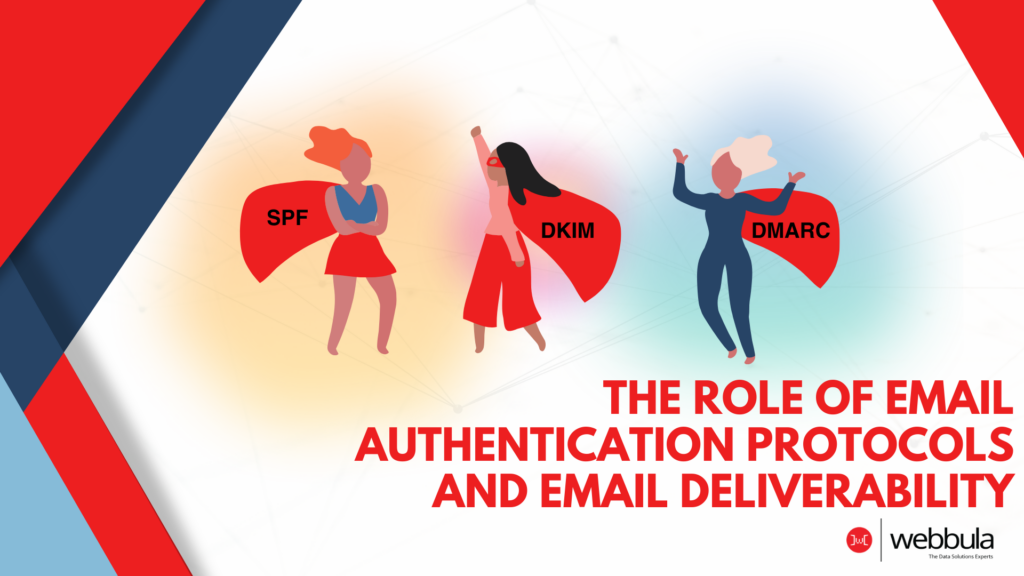


Email deliverability is not just about hitting ‘Send’ and hoping for the best. It’s a complex dance of technology, strategy, and constant vigilance to ensure your message not only reaches the inbox but also wins the trust of both the recipient and their email provider. At the heart of this dance are email authentication protocols—unsung heroes that affirm your identity as a sender and shield your emails from the dreaded spam folder. :contentReference{index=0}
In this article, we’ll unpack the critical role these protocols play in email deliverability. We’ll delve into the intricacies of the Sender Policy Framework (SPF), DomainKeys Identified Mail (DKIM), and Domain-based Message Authentication, Reporting & Conformance (DMARC), and provide actionable insights on leveraging these email authentication tools for optimal email marketing performance.
Understanding Email Deliverability
Before we explore the technicalities, it’s crucial to grasp what email deliverability entails and why it’s a pivotal concern for email marketers. Deliverability is the successful delivery of emails to recipients’ inboxes, a metric of success for email campaigns, influenced by factors including sender reputation, content quality, and authentication methods such as SPF and DKIM.
Key metrics like inbox placement rate, bounce rate, and spam complaint rate offer insights into the effectiveness of your email strategy and highlight the necessity of a robust email sender authentication framework.
What are Authentication Protocols?
Authentication protocols are the gatekeepers of the email universe. They verify the sender’s identity to the email service providers (ESPs), ensuring that the email is not a case of email spoofing and is sent from a legitimate source. This verification is crucial; it’s the difference between being welcomed as a trusted sender or being turned away as a potential imposter.
Sender Policy Framework (SPF)
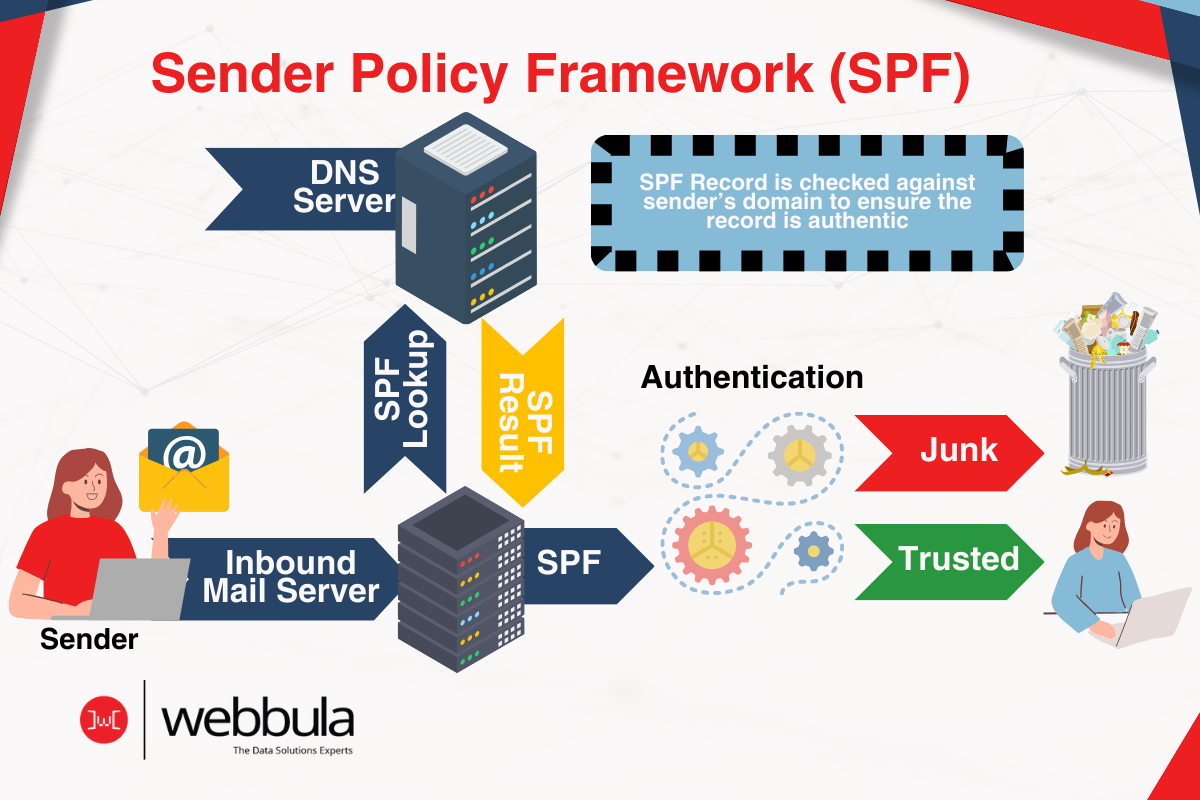
SPF is crucial because it prevents senders from being falsely impersonated. Without SPF, bad actors are free to send emails with forged sender addresses that appear to come from your domain, potentially leading to phishing scams that can erode trust in your brand and harm your customers.
A robust SPF record informs ESPs which mail servers are authorized to send emails on your behalf, reducing the likelihood of your emails being marked as spam. Failing to implement SPF could result in a lower sender reputation score, increased chances of your emails being relegated to the spam folder, or outright rejection by the receiving mail servers.
DomainKeys Identified Mail (DKIM)
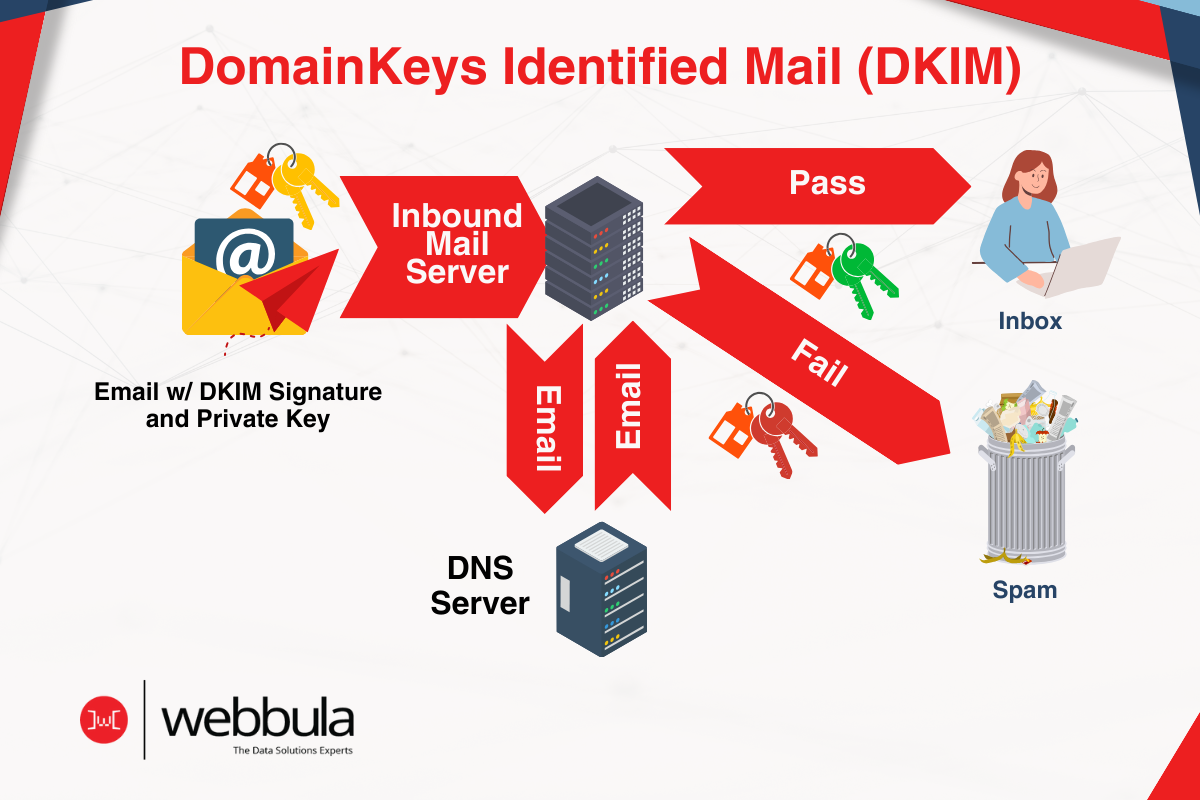
DKIM’s digital signature acts as a seal of authenticity for the content of your emails, ensuring it remains trusted and unaltered from the point of sending to the moment it arrives at the recipient’s email client. Without DKIM, there’s an increased risk of content manipulation, where an attacker could change the content of your emails without detection, which not only affects deliverability but also could lead to significant brand damage if the altered content is malicious.
Domain-based Message Authentication, Reporting & Conformance (DMARC)
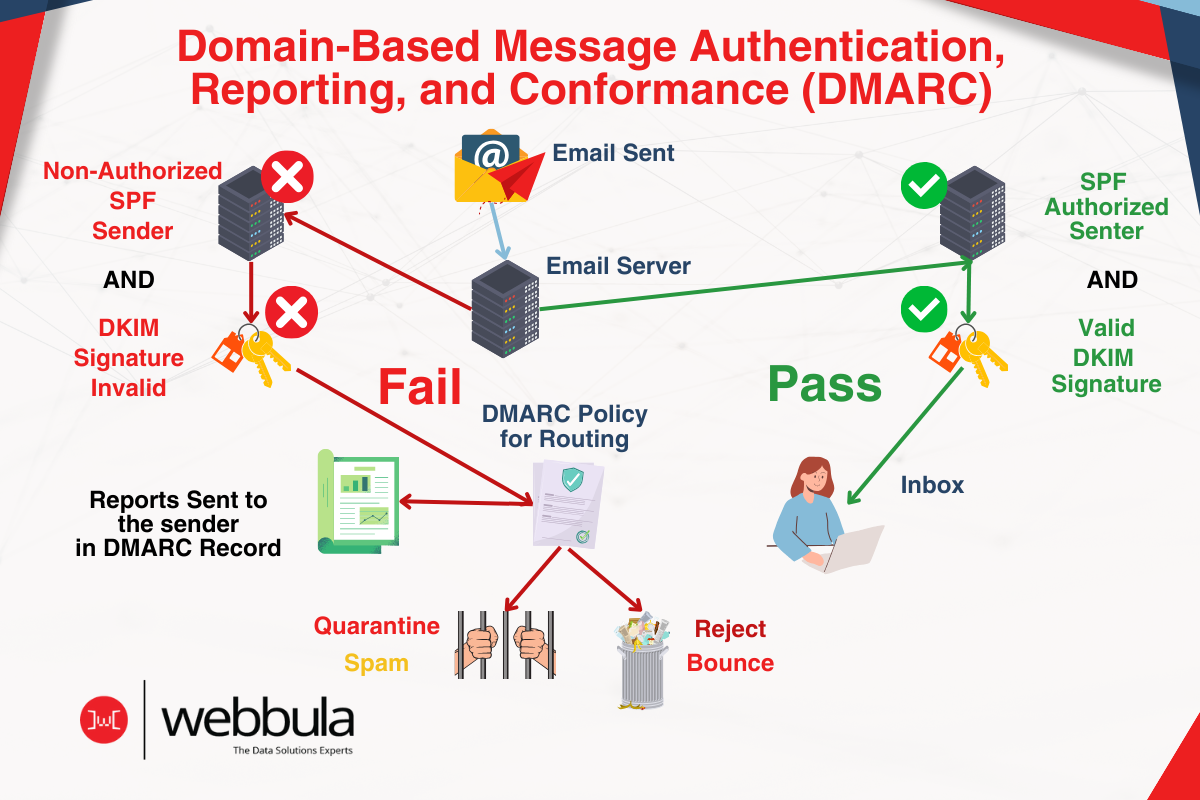
DMARC is the policy layer that builds upon the results of SPF and DKIM checks, providing domain owners with control over how unauthenticated messages are handled by the receiving servers, thus protecting against email spam and phishing emails. It allows for better insight into authentication results, helping businesses to understand and improve their domain’s email authentication practices.
The Combined Power of SPF, DKIM, and DMARC
Using SPF, DKIM, and DMARC together offers a comprehensive approach to email authentication and integrity. Ignoring any of these can leave a gap in your defenses, analogous to locking your front door while leaving the back door ajar. These protocols work in tandem to verify domain ownership, authenticate email messages, and ensure that mail servers correctly handle outgoing and incoming mail.
Conclusion
The role of email authentication protocols—SPF, DKIM, and DMARC—in email deliverability is critical. These protocols create a trust triad that secures your email communications, maintains your sender reputation, and boosts the deliverability of your campaigns. The absence of these defenses can compromise your email efforts, erode customer trust, and damage your brand’s integrity.
As the digital landscape evolves and cyber threats become more sophisticated, adopting SPF, DKIM, and DMARC is essential. Businesses that prioritize these email authentication records will not only protect their digital communication channels but also gain a competitive edge in the trust economy. Therefore, to ensure the effectiveness of your email marketing endeavors, prioritize the implementation of these authentication protocols. It’s not just best practice—it’s a strategic investment in your digital communication’s future and the security of your digital brand.
Commonly Asked Questions
What is email authentication?
Email authentication is a set of protocols that email senders use to verify that the messages they send are legitimate and not forged. This process helps to protect both the sender’s and the recipient’s domains from being used for phishing scams and other fraudulent activities.
Why is SPF important for email deliverability?
Sender Policy Framework (SPF) is important because it verifies that the IP addresses sending emails on behalf of your domain are authorized to do so. This helps mail servers identify and prevent spam and phishing emails from reaching recipients, which in turn protects your sender reputation.
How does DKIM improve email security?
DomainKeys Identified Mail (DKIM) improves email security by attaching a digital signature to each email message, which verifies that the content of the email has not been tampered with in transit. This helps maintain the integrity of the message and ensures that it’s from a trusted sender.
What does DMARC do?
Domain-based Message Authentication, Reporting & Conformance (DMARC) uses SPF and DKIM authentication results to determine what should happen to an email if it fails authentication checks. It also provides reports to domain owners, which can help them identify and address authentication issues.
Can DMARC prevent email spoofing?
Yes, DMARC can significantly reduce the chances of email spoofing by instructing receiving servers on how to handle emails that fail SPF and DKIM checks, potentially rejecting or quarantining them, thus preventing them from reaching the inbox.