
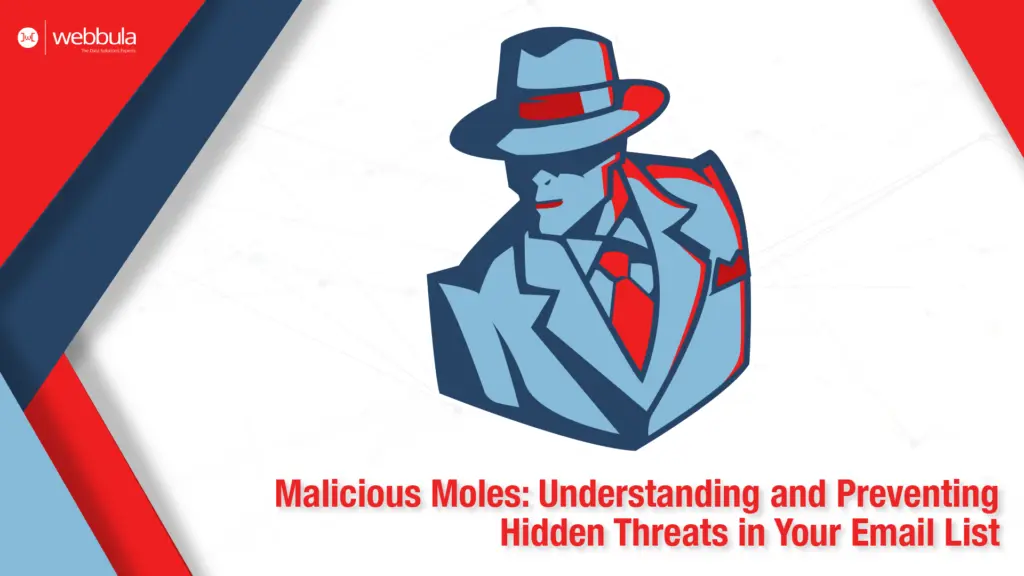


Maintaining email security is crucial for any organization. One hidden threat that can undermine your efforts is malicious moles. These harmful email addresses are designed to infiltrate and exploit your email system, leading to severe consequences such as data breaches, spam traps, and damage to your sender reputation. Recognizing and combating malicious moles through regular email hygiene, advanced security measures, and robust email security practices is essential to safeguarding your email list and ensuring effective communication.
Key Takeaways
- Definition: Malicious moles are harmful email addresses designed to infiltrate and exploit your email system.
- Impact: They can lead to data breaches, spam traps, and damage to sender reputation.
- Prevention: Regular email hygiene and advanced security measures can help detect and prevent these threats.
- Use a password manager to create and store complex passwords, enhancing overall email account security.
What Are Malicious Moles?
Malicious moles are email addresses deliberately created to infiltrate and exploit your email system. Unlike typical threats like zombie emails or general phishing attacks, these moles are specifically designed to appear legitimate while harboring malicious intent. They can be used to gather personal or financial information, including personally identifiable information, disrupt email deliverability, or act as gateways for more severe spear phishing attacks. By understanding the characteristics and behaviors of malicious moles, you can better protect your email lists and prevent potential security breaches.
Why Do Malicious Moles Matter?
Malicious moles can wreak havoc on your email marketing campaigns and overall email security for several reasons:
- Data Breaches: Malicious moles can be used to gather personal or financial information, leading to data breaches. This can result in significant financial and reputational damage.
- Spam Traps: These harmful addresses can act as spam traps. If you send emails to these traps, your domain could be blacklisted, severely impacting your email deliverability.
- Compromised Security: Malicious moles can be part of larger schemes, like Business Email Compromise (BEC) attacks, which can compromise your entire email system and lead to substantial financial losses.
- In a BEC attack, cybercriminals infiltrate a company’s email system by compromising legitimate email accounts, often through phishing or social engineering. Once inside, they monitor communications to learn about the organization’s operations. The attackers then use the compromised accounts to send fraudulent emails, typically posing as a company executive or trusted partner, to request wire transfers or sensitive information. These attacks can lead to significant financial losses and data breaches. For more detailed information, you can refer to these sources:
Phishing Attack: Malicious moles can be used to launch phishing attacks, tricking recipients into revealing sensitive information or clicking on malicious links. Training employees to recognize red flags associated with phishing attacks and maintaining vigilance is crucial to protect sensitive information from being compromised through such scams.
- Sender Reputation: High bounce rates and spam complaints resulting from malicious moles can damage your sender reputation, making it harder for your emails to reach the inbox.
Recognizing and addressing these threats through regular email hygiene and advanced security measures is essential for protecting your email list and maintaining effective communication.
Common Hidden Email Threats
Understanding common email security threats is crucial for protecting your email system. Here are some key threats to be aware of:
- Phishing Attacks: These attacks trick recipients into revealing personal or financial information. Phishing emails often appear legitimate but contain malicious links or attachments.
- Business Email Compromise (BEC): As discussed, BEC involves using compromised email accounts to send fraudulent messages, often requesting financial transactions.
- Email Account Compromise: Attackers gain access to email accounts to steal sensitive information or send malicious emails.
- Spam Traps: These are email addresses specifically set up to catch spammers. Sending emails to spam traps can damage your sender reputation.
- Email Spoofing: Attackers send emails that appear to come from a trusted source, often to trick recipients into revealing confidential information.
- Sender Policy Framework (SPF): Implementing SPF helps verify that emails originate from authorized IP addresses, protecting against email spoofing and improving email deliverability.
By being aware of these threats, you can implement effective measures to protect your email system.
How to Identify Malicious Moles
Identifying malicious moles in your email list can be challenging, but several signs and tools can help:
- Unusual Email Activity: Look for patterns of suspicious behavior, such as unexpected emails being sent from your account or abnormal access times.
- High Bounce Rates: An increase in bounce rates might indicate the presence of invalid or malicious email addresses.
- Spam Filters: Utilize advanced spam filters to detect and block malicious content before it reaches your inbox.
- Domain Keys Identified Mail (DKIM): Implement DKIM to authenticate the legitimacy of your emails and identify potentially harmful addresses.
- Monitoring Tools: Use email security tools to continuously monitor your email list for signs of compromise or suspicious activity.
By staying vigilant and using these tools, you can better detect and address malicious moles before they cause significant harm.
Preventing Malicious Moles
Preventing malicious moles requires a combination of regular email hygiene and advanced security awareness measures:
- Regular Email Hygiene: Implement comprehensive email hygiene practices to regularly clean your list. This includes removing inactive or suspicious addresses and verifying new sign-ups.
- Advanced Security Measures: Utilize security protocols like two-factor authentication (2FA), complex passwords, and domain-based message authentication to protect your email accounts.
- Training and Awareness: Educate your employees on recognizing phishing emails and other common email security threats. Regular training helps in reducing the risk of falling victim to such attacks.
- Monitoring and Continuous Improvement: Continuously monitor your email list for unusual activity and update your security practices regularly to adapt to new threats.
Practical Steps for Email Hygiene and Security
- Implement Comprehensive Email Hygiene Practices: Regularly clean your email list using services like Webbula. These services can identify and remove invalid, disposable, and malicious email addresses, ensuring your list is accurate and secure.
- Set Up Double Opt-In: Ensure subscribers confirm their email addresses before they are added to your list. This step helps in verifying email addresses and reduces the chance of fake or temporary addresses getting through.
- Use Strong Security Protocols: Employ security measures such as two-factor authentication (2FA), complex passwords, and domain-based message authentication, like DKIM and SPF, to safeguard your email accounts.
- Educate and Train Employees: Regularly train employees on email security best practices, such as recognizing phishing emails, avoiding suspicious links, and using password managers to create and store complex passwords.
- Monitor Continuously: Use email security tools to continuously monitor your email list for unusual activity or potential threats. Regularly review and update your security measures to adapt to new and evolving threats.
By following these steps, you can maintain a clean and secure email list, protecting your organization and personal accounts from malicious moles and other email security threats.
Conclusion
Malicious moles pose a significant threat to your email marketing and overall security. They can lead to data breaches, spam traps, and damage your sender reputation. By understanding what malicious moles are and implementing comprehensive email hygiene and security measures, you can protect your email list and ensure effective communication. Regular monitoring and continuous improvement of your security practices are essential to safeguarding your email system from these hidden threats.
Commonly Asked Questions About Malicious Moles
What is a malicious mole?
A malicious mole is a harmful email address designed to infiltrate and exploit your email system, leading to data breaches, spam traps, and other security issues.
How do malicious moles affect my email campaigns?
They increase bounce rates, trigger spam filters, and can compromise your email deliverability and sender reputation.
How can I detect malicious moles?
Look for unusual email activity, high bounce rates, and use advanced spam filters and monitoring tools to detect and block malicious moles.
What steps can I take to prevent malicious moles?
Implement regular email hygiene practices, use strong security protocols like two-factor authentication, and continuously monitor your email list for suspicious activity.
How does email hygiene help in preventing email threats?
Email hygiene involves regularly cleaning your email list to remove inactive, invalid, and suspicious addresses, reducing the risk of email threats like malicious moles and improving overall email security.