

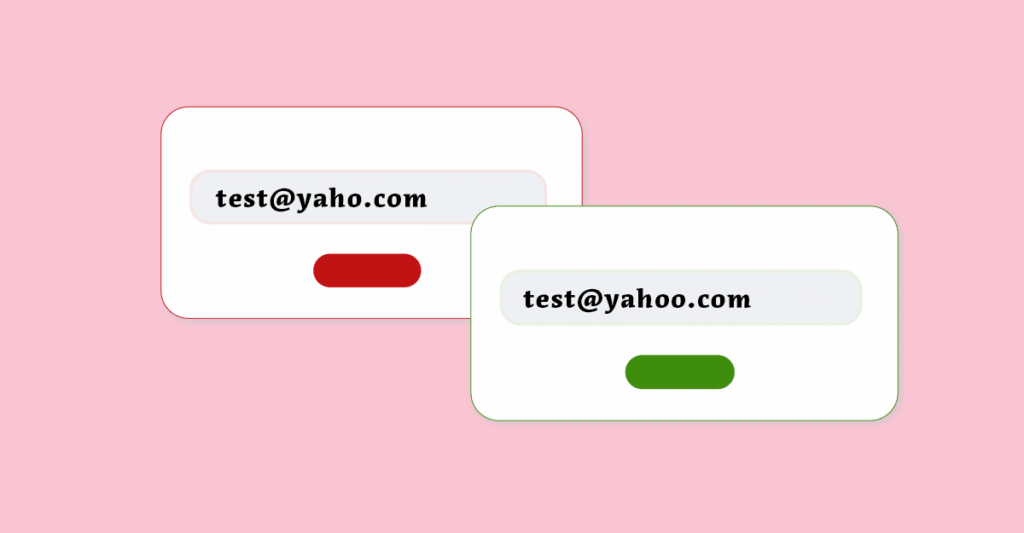


How can I check if an email address is valid?
There are a few ways to check if an email address is valid. One way is to simply send an email and see if it bounces, but this could be very time consuming. Another way is to use an Email Address Validation and Email Hygiene tool like Webbula.
What is an example of an invalid email address?
An invalid email address refers to an email that never reaches its intended inbox because it bounces back. For example, test@test.com is not a valid email address. There are several reasons why an email might be invalid, such as incorrect spelling by the sender or a problem with the recipient’s server or worse.
There are other email threats that can harm your deliverability and sender reputation. These active threats aren’t detected by a simple email verification because they are considered active but still harmful. These types of threats include spam traps, bots, temporary domains and more.
What happens to an email sent to an invalid email address?
The email is returned to the sender with a notification that the email could not be delivered. The sender may then choose to delete the email or contact the intended recipient to get a new email address. If you continue to send emails to an invalid email address, your IP address could be flagged as spam and you could be blocklisted by internet service providers (ISP). This would make it very difficult for anyone to send you emails.
It’s important to regularly check your email list for invalid addresses and remove them to maintain optimal deliverability. Email Address Validation tools like Webbula can help you do this quickly and easily.
How can I check if an email address is spam?
First, let’s tackle what a spam trap email address is. Do not be fooled by spam traps! They may look like active email addresses from innocent people, but they are actually set up and monitored blocklist firms and anti-spam organizations to catch malicious senders.
Spam traps are dangerous for your email list. When an email is no longer needed, the inbox provider will shut off the address after a period of time. This can cause a domino effect if you’re not careful.
When marketers send to an inactive email address, the inbox provider will return a hard bounce. Most email marketers will then accept this request and remove the email from their lists; however, some unfortunately ignore it. If these email senders continue to utilize abandoned email addresses for spamming, the ISPs will take action by penalizing them. If they keep sending, eventually the email address won’t return a hard bounce and instead will be turned into a spam trap. This would then label you as a spammer and damage your reputation, causing delivery rates to suffer.
There are many types of spam traps such as recycled, pristine, honeypots, pure, typo, message-IDs, dead addresses, and investigative traps.
It’s important to remember that no verification provider can detect 100% of spam traps in your email list. So, if anyone tries to tell you otherwise, don’t believe them. If you want a clean email list without spam traps, look for an email hygiene solution instead of relying solely on verification.
Why should email marketers utilize email verification and email hygiene together?
Bulk email list cleaning solutions are beneficial for determining which email addresses on your list are invalid, however spam trap emails are active and go undetected. This is where email hygiene comes in handy as it’s much more reliable to ensure you have a valid email address list.
At Webbula, we don’t tell you which email addresses are spam traps specifically. We prefer to label the email threat in buckets from most harmful to least harmful on your list so you can make the best decisions for your marketing campaign going forward.
While it’s true that taking all the right steps doesn’t guarantee immunity from bad outcomes, sometimes things beyond our control can still happen. In the same way, even if you take precautions to avoid it, a bad address might end up on your list and drag down your deliverability or damage your sender reputation.